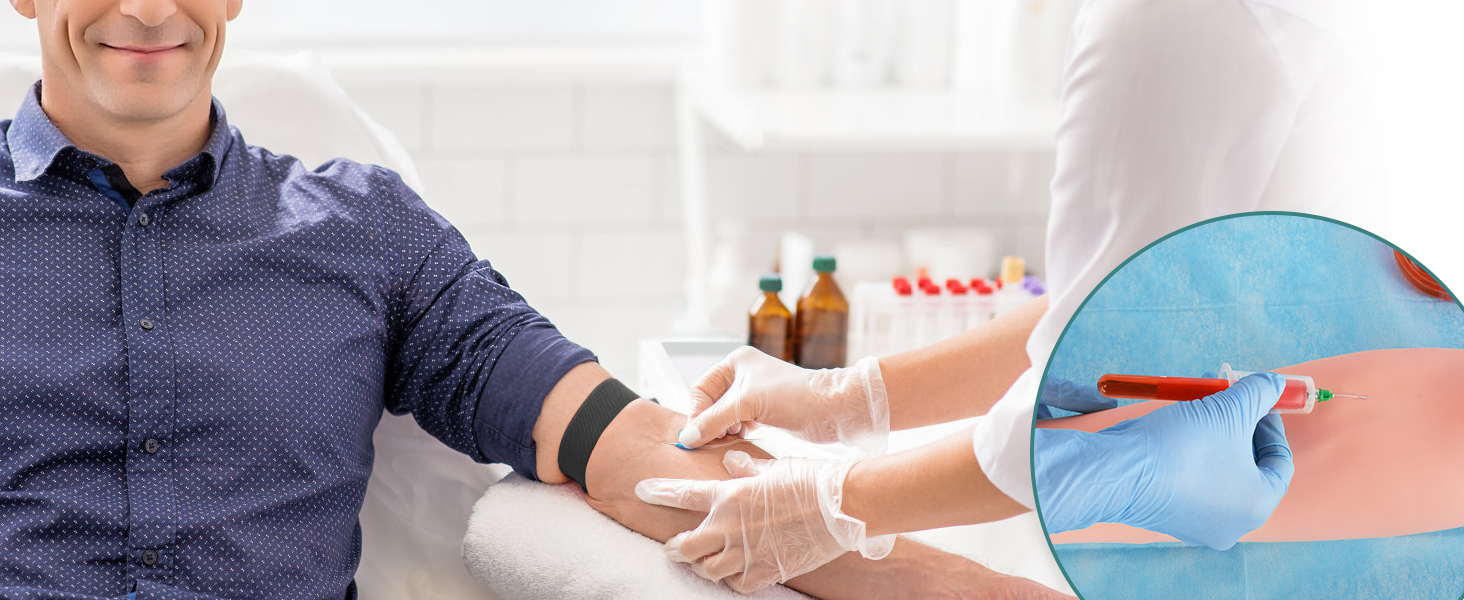
Many phlebotomists wonder: if I locate veins and insert needles every day, why can’t I start an IV? In most cases, can a phlebotomist start an IV? the answer is no. But if you want to learn more and hope to be able to perform IVs in the future, this article will give you a complete and practical guide.
Why Most Phlebotomists Can’t Start IVs
1. The Key Difference Between Drawing Blood and IVs
On the surface, drawing blood and starting an IV both involve inserting a needle and finding a vein, so many people assume the skills are very similar. But in reality, the difference is significant.
- Drawing blood (venipuncture): The main goal is to collect a blood sample. Once the needle is in and the sample is taken, the needle is removed immediately. The procedure is quick and carries relatively low risk.
- IV (intravenous infusion/catheter placement): This requires creating a vein access that can be used over time for fluids or medications. IVs aren’t just about inserting a needle—they also require monitoring the catheter, managing infusion rates, and handling potential complications such as infiltration, inflammation, or infection.
Because IVs involve ongoing management and higher risks, they are classified as IV therapy, a more advanced clinical procedure that requires additional training and responsibility.
2. Skill Isn’t the Only Limitation
Many phlebotomists feel confident in their needle skills and assume they could handle IVs. However, in the healthcare system, being able to do an IV does not only depend on your technical ability. It also depends on your job responsibilities and your scope of practice.
In other words, just because you can do it does not mean you are allowed to do it.
Even if your skills are excellent, if your workplace or local regulations do not permit it, you still cannot perform IVs. This is why many experienced phlebotomists, no matter how skilled, are not allowed to do IVs in their day-to-day work.
What A Phlebotomist Need to Do if Want to Perform IVs
Although most phlebotomists cannot start IVs directly, there are clear steps you can take if you want to be able to perform IVs in the future. The key is to meet three requirements: proper training, authorization from your workplace, and compliance with regulations.
1 Get Proper IV Training
Performing IVs is more than just inserting a needle. Even if you are already skilled at drawing blood, IVs involve more complex skills such as knowing how to assess and select the right vein, placing and securing the catheter, managing the infusion and flow rate, and preventing or handling complications like infiltration, inflammation, or infection.
Training usually comes from IV therapy certification programs, clinical on-the-job training at hospitals, or nursing and clinical skills courses.
Many people think the hardest part of IVs is just inserting the needle. In reality, managing the IV and handling possible complications is the most important part.
2 Obtain Authorization from Your Workplace
Training is only the first step. Whether you can actually perform IVs depends on your employer.
In many healthcare settings, phlebotomists are only allowed to draw blood. Even if you have an IV training certificate, you cannot perform IVs on your own.
To participate in IVs, you need either authorization in your job description or supervision by a registered nurse (RN) or a doctor (MD). In other words, both your skills and your workplace authorization are required.
3 Follow Local Regulations
Different regions have different rules for phlebotomists. Some places strictly prohibit phlebotomists from performing IVs, others allow it under training and supervision, and some let the healthcare facility decide.
This means that to perform IVs legally, you must meet all three requirements: proper training, workplace authorization, and compliance with local regulations.
Practical Paths You Can Take
If you want to be involved in IV procedures at work, simply having the skills and training is not enough. You also need to choose a practical career path. There are three common options:
1 Upgrade to a Nurse (RN or LPN)
This is the most reliable and common path. Once you become a registered nurse (RN) or licensed practical nurse (LPN), performing and managing IVs becomes a regular part of your job.
The benefits include being legally allowed to perform IVs, the opportunity to practice in hospitals, clinics, and emergency settings, and gaining access to more clinical skills for career growth.
If you are already a phlebotomist, this step may not be too difficult because you already have basic needle skills, vein assessment experience, and patient communication abilities.
2 Move Into Emergency or Pre-Hospital Care
Another option is to work in emergency or pre-hospital care, such as becoming an EMT or paramedic.
In this path, IVs are commonly used, especially in urgent situations. The work pace is fast, which suits those who enjoy emergency settings. You can directly apply IV skills and gain valuable real-world experience.
Compared to nursing, this path is more hands-on and practical, but it also requires proper training and certification.
3 Gain Experience in Cross-Training Programs
Some healthcare facilities offer phlebotomists additional training opportunities, allowing them to participate in IV procedures under specific conditions.
These opportunities are limited and not available in all workplaces. They usually require supervision by a nurse or a doctor. This path is suitable for phlebotomists who are not planning to change roles but want to gain extra skills and experience.
Training Tips
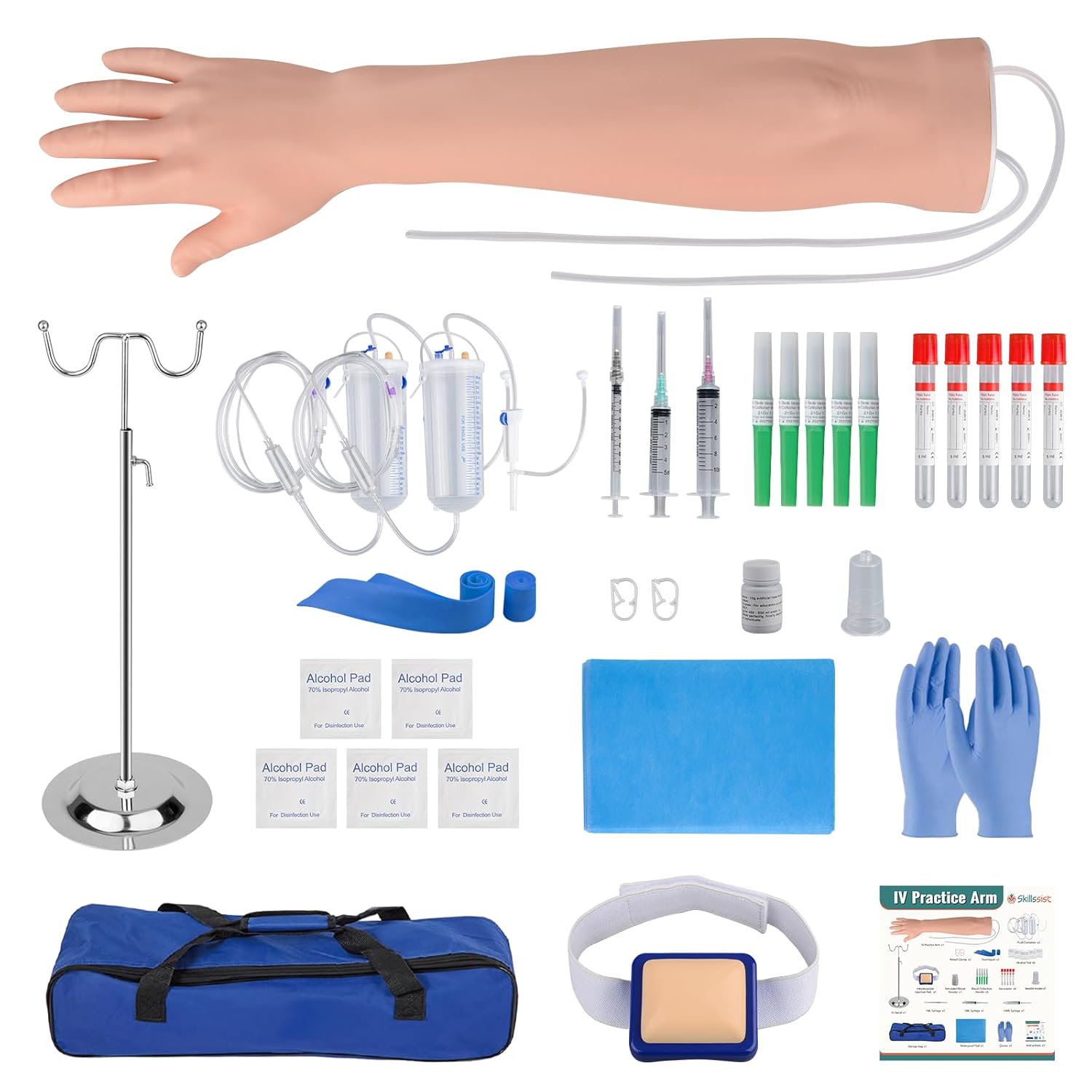
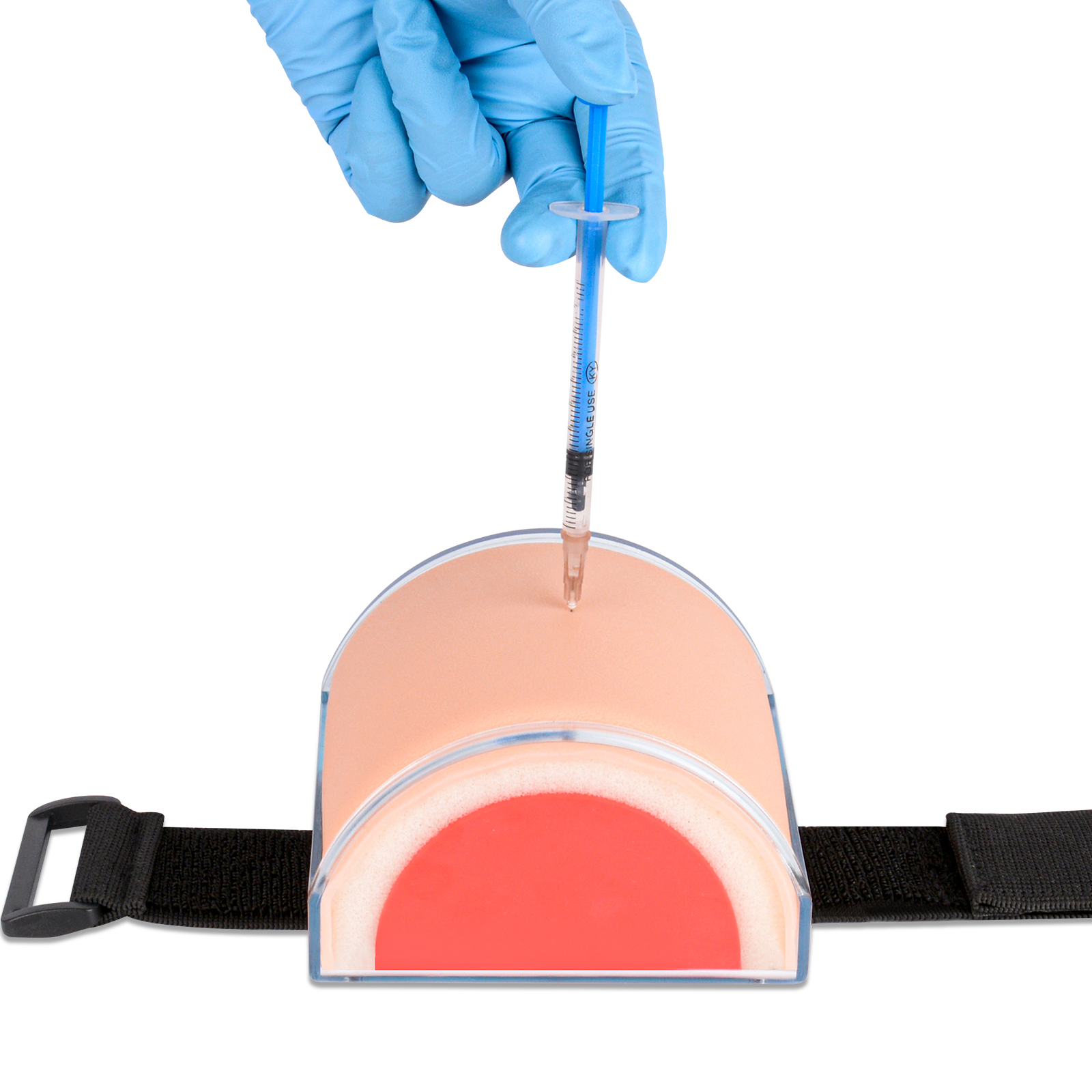
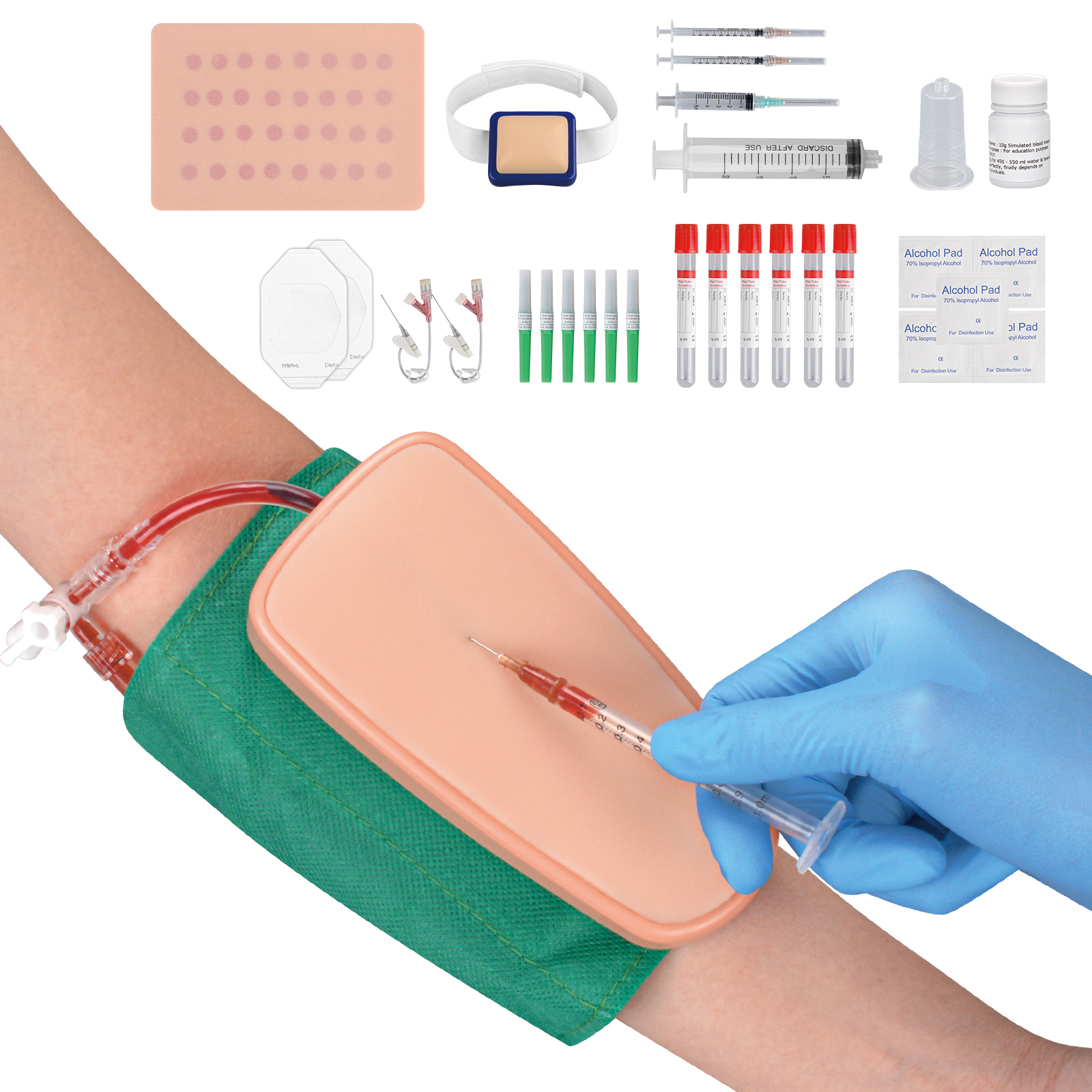
Whether you are a complete beginner or an experienced phlebotomist, practice is key. Beginners can start by using models to get a feel for finding veins and inserting needles, while experienced phlebotomists can practice IV catheter placement and infusion on simulators to become familiar with different situations and how to handle them.
The IV injection and phlebotomy practice kits from Skillssist allow you to safely practice various vein scenarios repeatedly, gradually improving your technique and confidence, and preparing you for real-world procedures.