Introduction
In everyday life, most blood draws are done from the arm. But with so many veins in the arm, have you ever wondered, what are the main veins used to draw blood? Many beginners in venipuncture find this confusing at first.
In this article, we’ll introduce the three most commonly used veins for blood draws, explain exactly where they are, how to choose the right one, and share practical tips and things to watch out for based on real-life practice.
What Are the 3 Main Veins Used to Draw Blood?
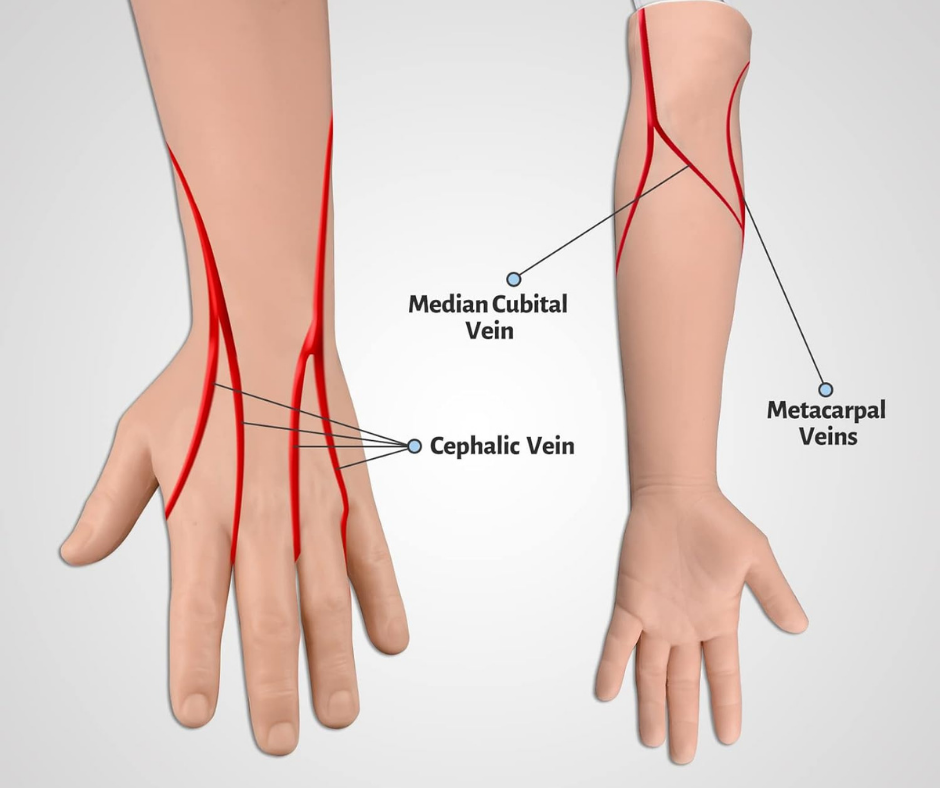
When it comes to venipuncture, three veins in the inner elbow are most commonly used: the median cubital vein, the cephalic vein, and the basilic vein. Most experienced phlebotomists prefer these veins because they are suitable for the majority of patients.
1. Median Cubital Vein – The Preferred Vein
The median cubital vein is the most commonly used vein for blood draws. It is located in the upper middle of the antecubital fossa, connecting the cephalic vein and the basilic vein. When the arm is straight or slightly bent, this vein is usually the largest, straightest, and most prominent in the center of the elbow, making it easy to see and feel.
The median cubital vein is held in place by the surrounding tissue, similar to how a water pipe is secured, so it does not roll when the needle is inserted. This stability makes it much easier for beginners to perform a successful blood draw.
These characteristics make puncture more stable and reduce the risk of needle displacement, bruising (hematoma), vein rupture, or multiple failed attempts. Because the vein is shallow and easy to access, patients usually experience less discomfort compared to other veins.
However, the median cubital vein may not be suitable for people with bruises, scars, inflammation, very small veins, or certain medical conditions such as clotting disorders or fragile veins. In these cases, alternative veins should be considered to ensure safety and comfort.
2. Cephalic Vein – A Good Alternative
The cephalic vein is another superficial vein on the outer side of the arm, running along the thumb side and often visible after exercise. It connects with the median cubital vein and the basilic vein within the antecubital fossa. Being one of the larger veins in the arm, it is generally easier to puncture than smaller veins and can serve as a good alternative when the median cubital vein is not accessible.
While the cephalic vein is relatively stable and suitable for blood draws, it can sometimes roll during puncture, especially in patients with thinner arms. Using a tourniquet and carefully palpating the vein before insertion can help ensure a smooth and successful draw. Its size also makes it suitable for larger needles or blood collection tubes.
However, the cephalic vein is located closer to the radial nerve, so extra caution is needed to avoid nerve injury. It may not be ideal for patients with bruises, scars, inflammation, very small veins, or other conditions that make the vein fragile. With careful technique, the cephalic vein can be a safe and effective alternative to the median cubital vein.
3. Basilic Vein – Used Only When Others Are Unavailable
The basilic vein is considered the last resort for blood draws. It is usually selected only when other veins are blocked or unavailable.
The basilic vein runs along the inner side of the arm, close to the body, and connects with the median cubital vein at the antecubital fossa. Unlike the median cubital and cephalic veins, it lies deeper beneath the skin, making it harder to see and feel. For beginners, inserting the needle correctly can be more challenging.
Although the basilic vein is relatively large and can accommodate standard needles, it is located near important nerves and arteries, which increases the risk of nerve injury or accidental arterial puncture. If a phlebotomist must use the basilic vein, it is best to seek guidance from an experienced professional or have them perform the procedure.
Training Tips to Draw Blood from the Main Veins
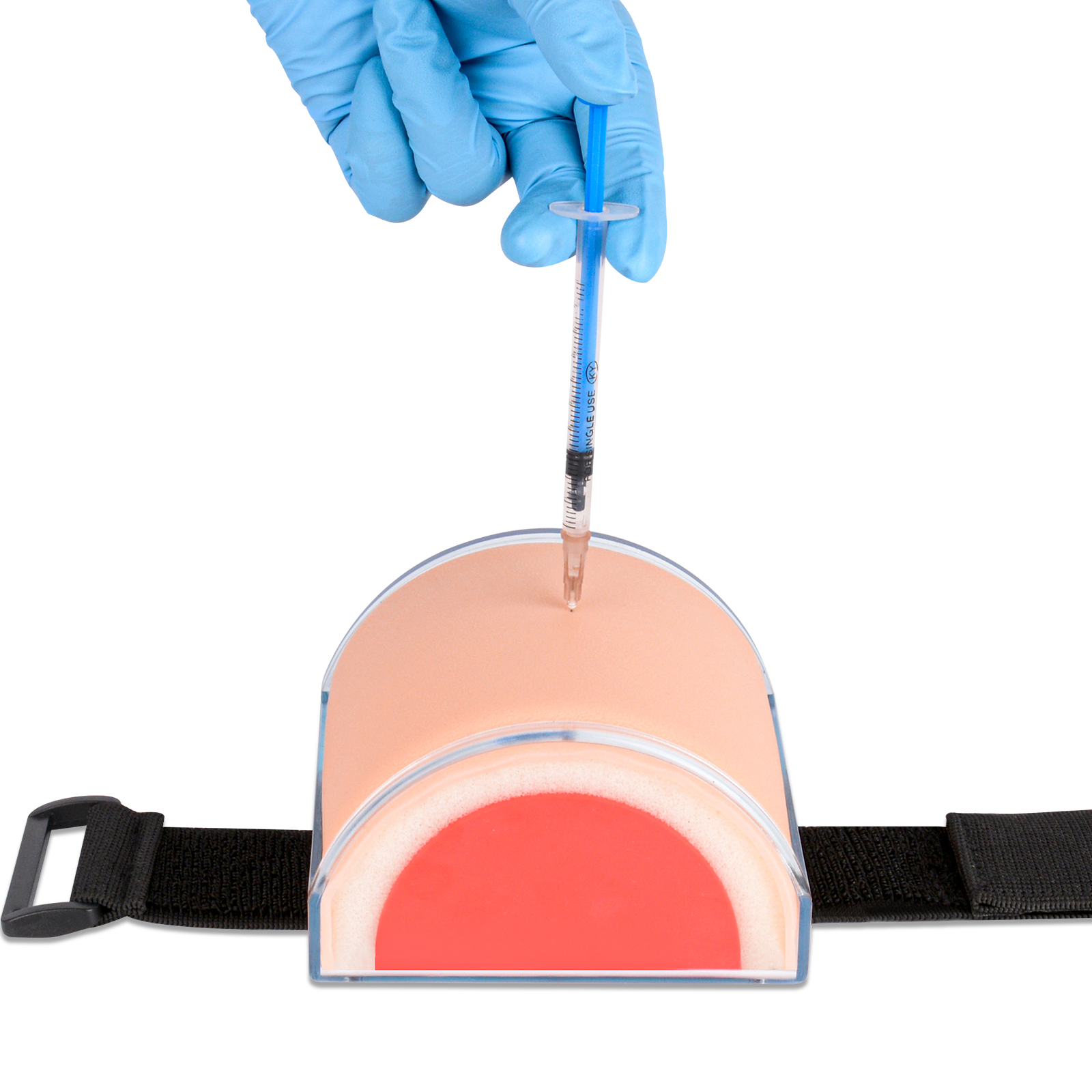
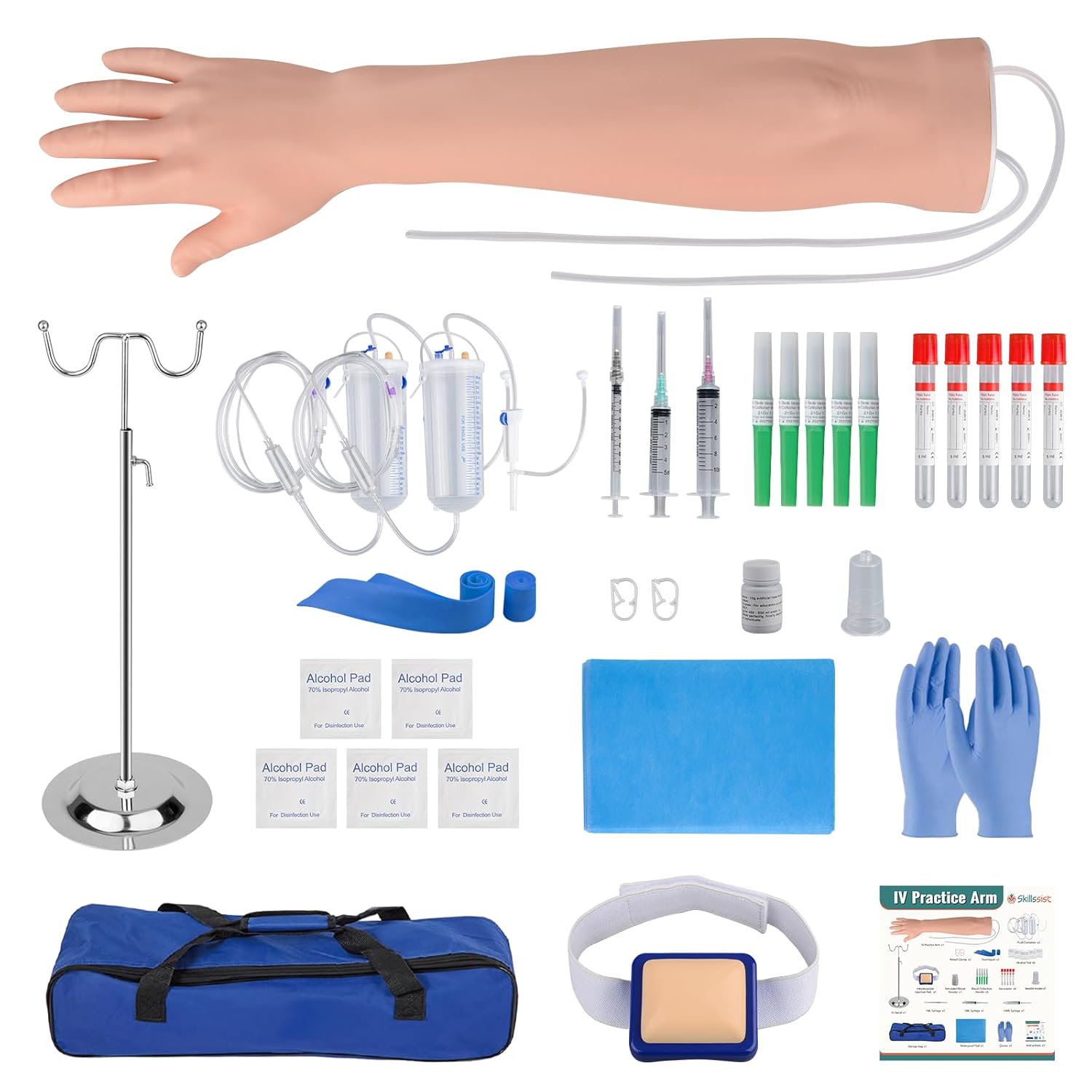
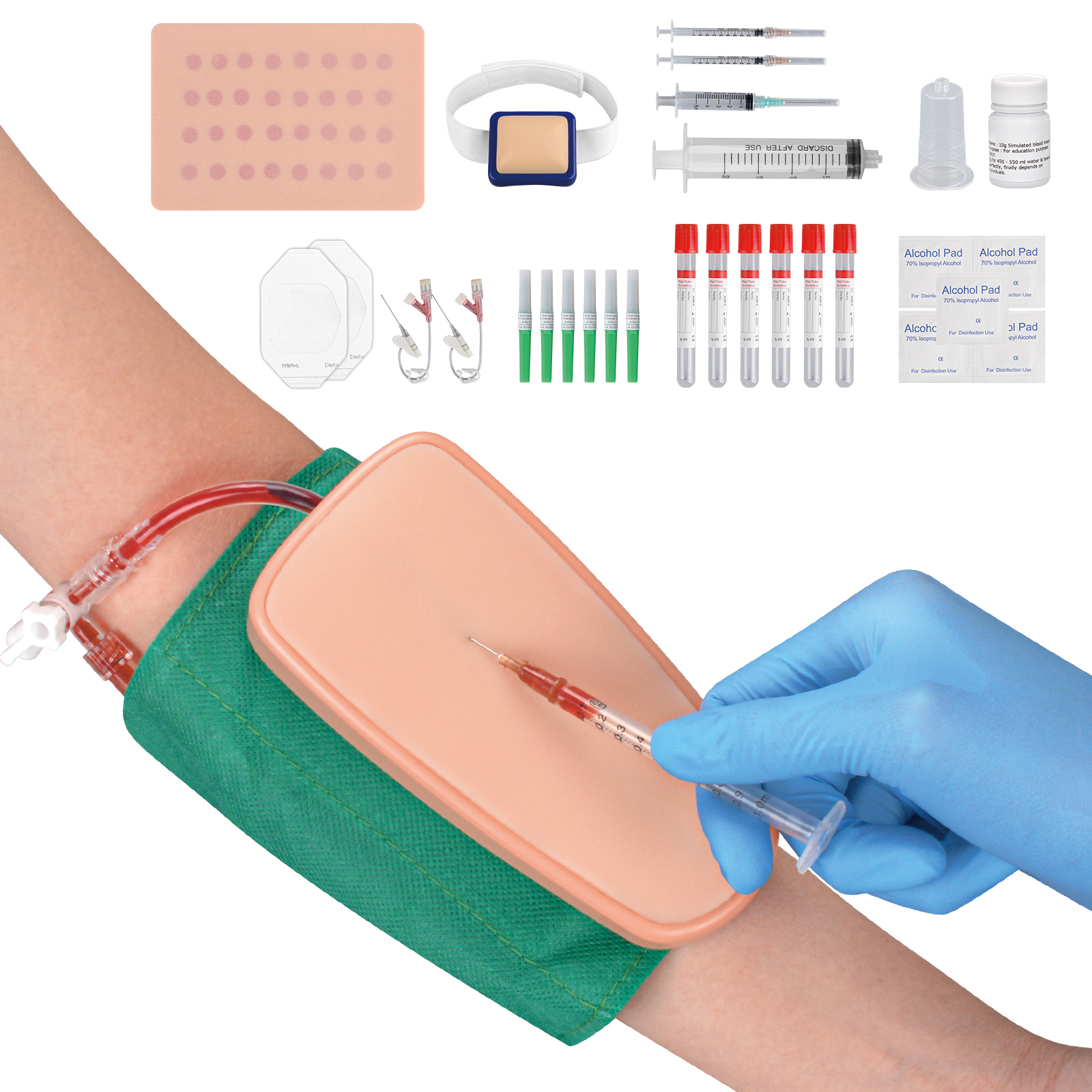
Practice is essential for building confidence and skill in venipuncture. Even after obtaining a phlebotomy certification, regular practice is necessary to maintain technique and needle control. Skillssist offers realistic practice kits and models to help beginners safely refine and improve their skills before working with real patients. For newcomers, we recommend starting with our Venipuncture Start Kit and Phlebotomy Practice Arm Kit.
Mastering venipuncture takes time, patience, and practice. Remember, every skilled phlebotomist was once a beginner. Take your time, practice consistently, and don’t be discouraged by mistakes—they are part of the learning process. With dedication and the right practice tools, you can build confidence and become proficient in venipuncture.
📝You May Interest: