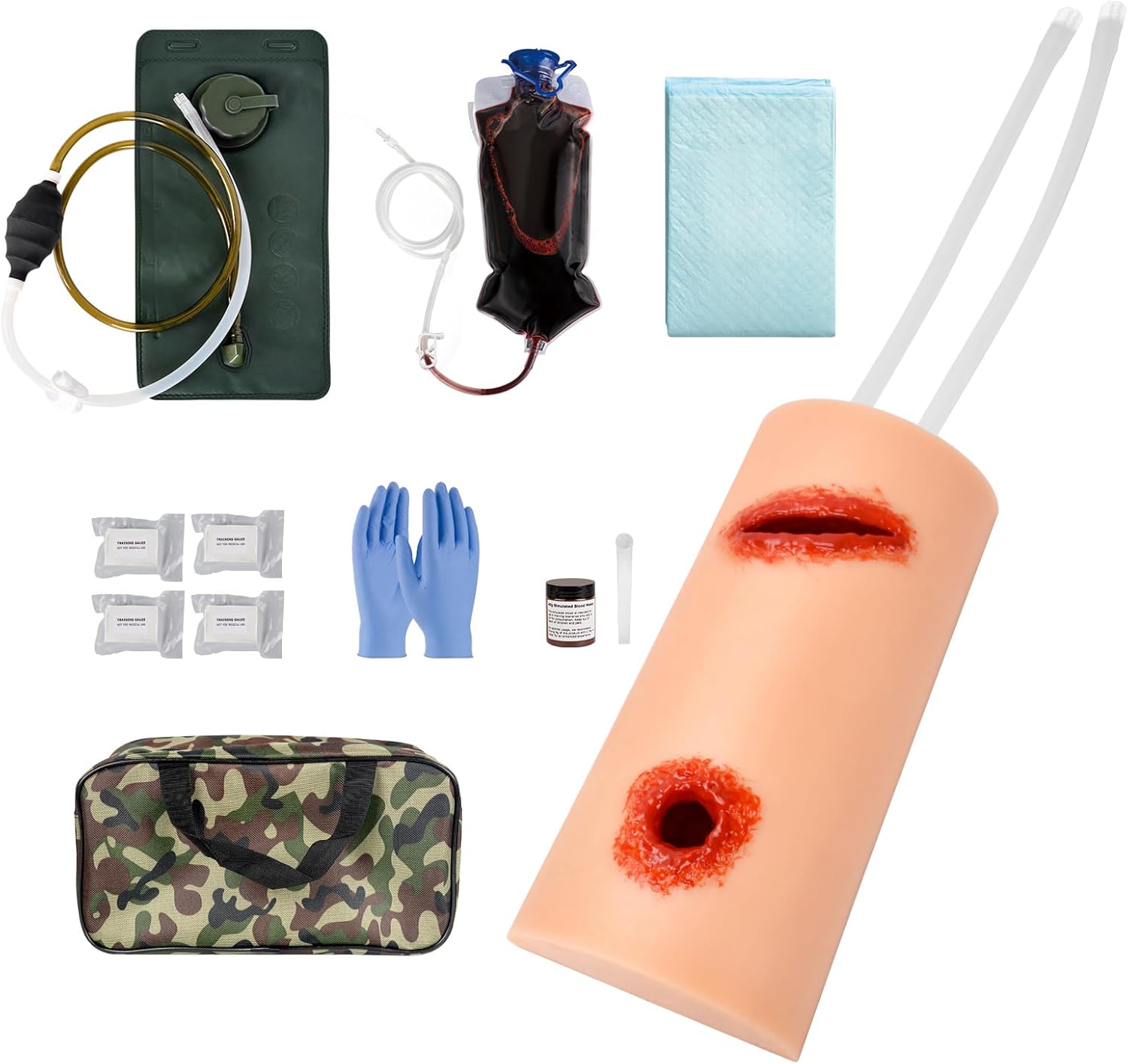
Overview
In wound care education, wound packing is a skill that must be learned through hands-on practice. For most trainees, the challenge is not memorizing the steps, but developing the ability to judge wound depth, control packing pressure, and perform the technique safely and consistently.
This is why structured wound packing training plays a critical role in preparing trainees for real clinical environments.
What Wound Packing Training Really Focuses On
Unlike basic instructional content, wound packing training is not centered on definitions or checklists alone.
Effective training focuses on developing clinical judgment and manual control, including:
- Recognizing wound depth and cavity shape
- Applying appropriate packing tension
- Ensuring contact with the wound bed without excessive compression
- Maintaining consistent technique during repeated practice
These skills cannot be fully developed through observation alone—they require guided, hands-on practice.
Core Skills to Practice in Wound Packing Training
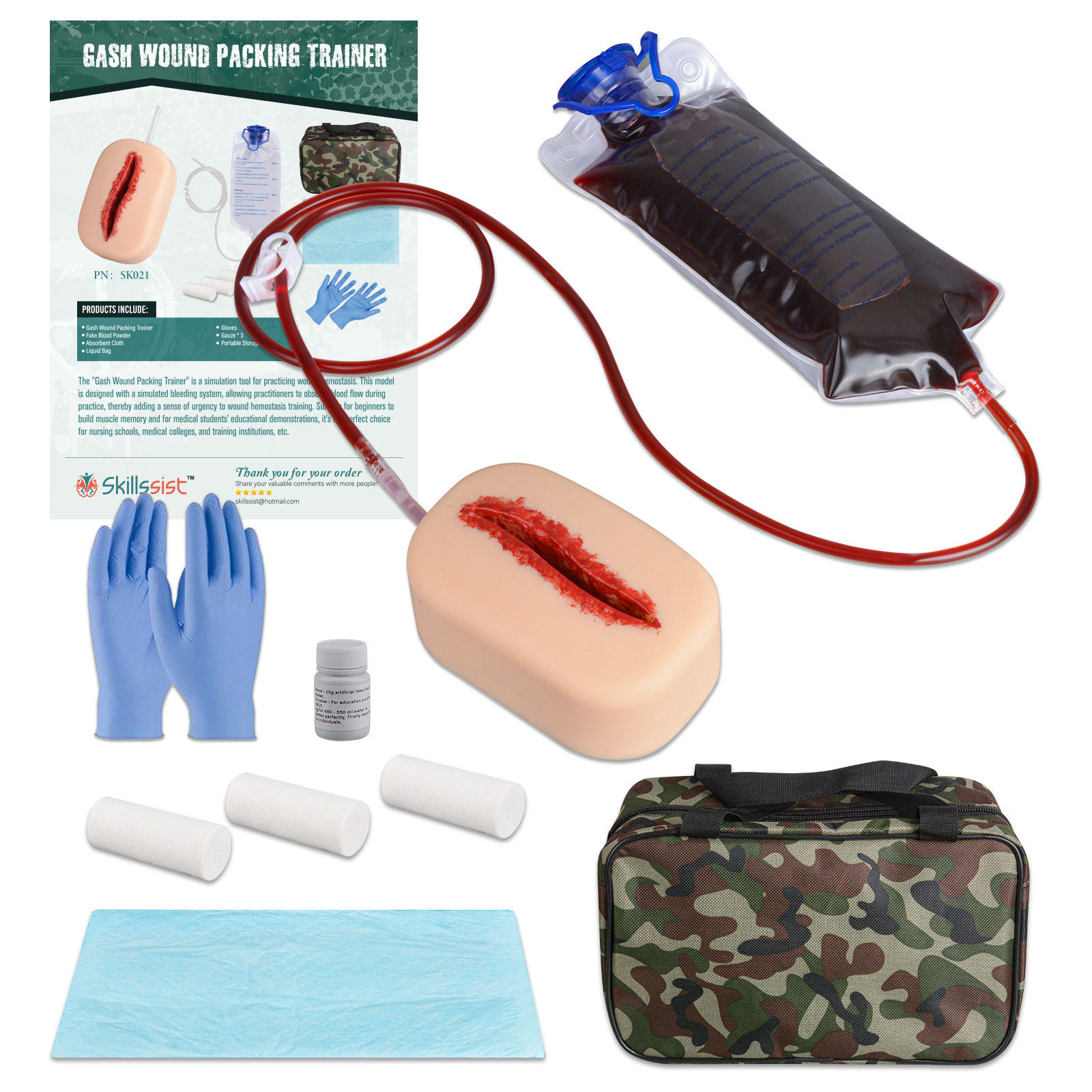
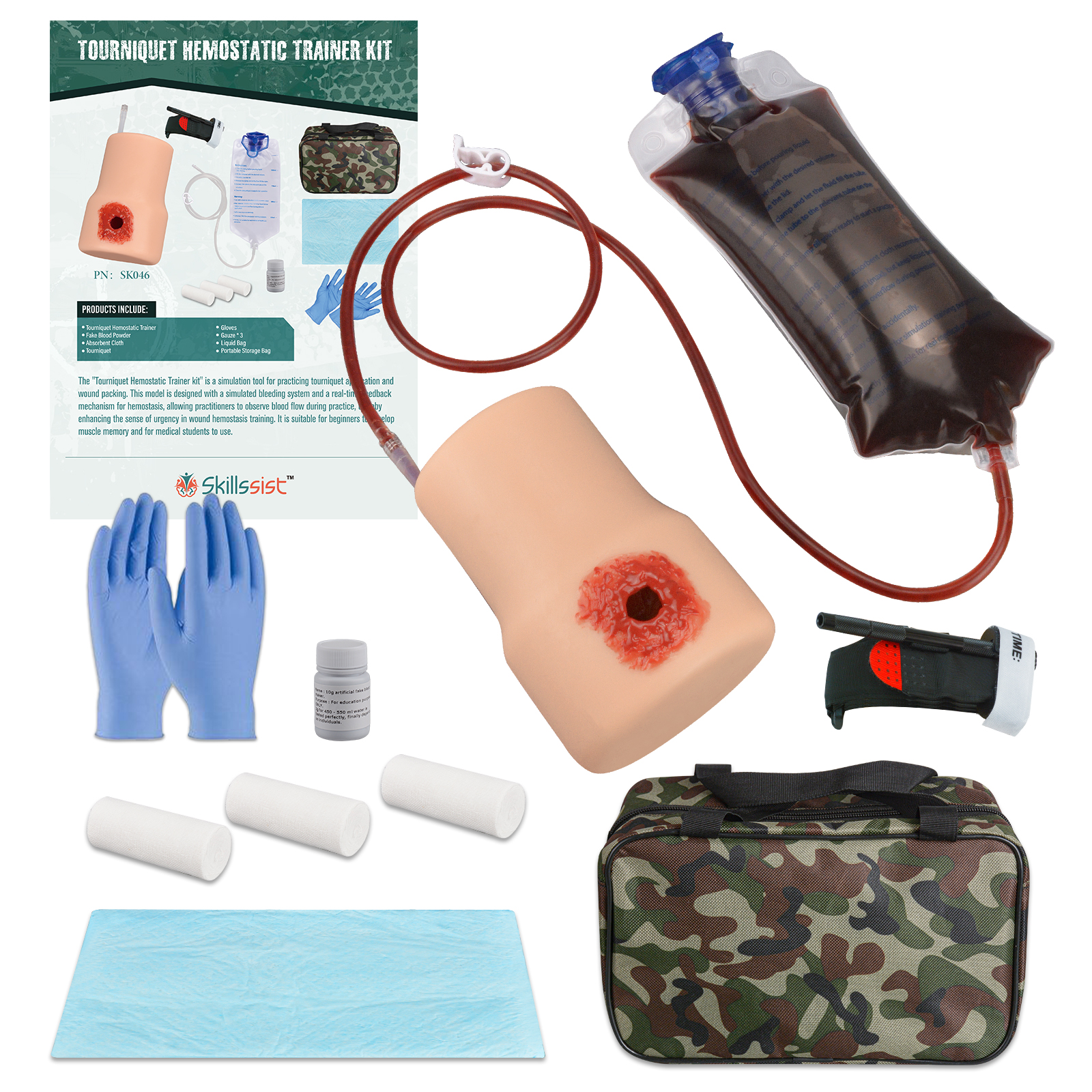
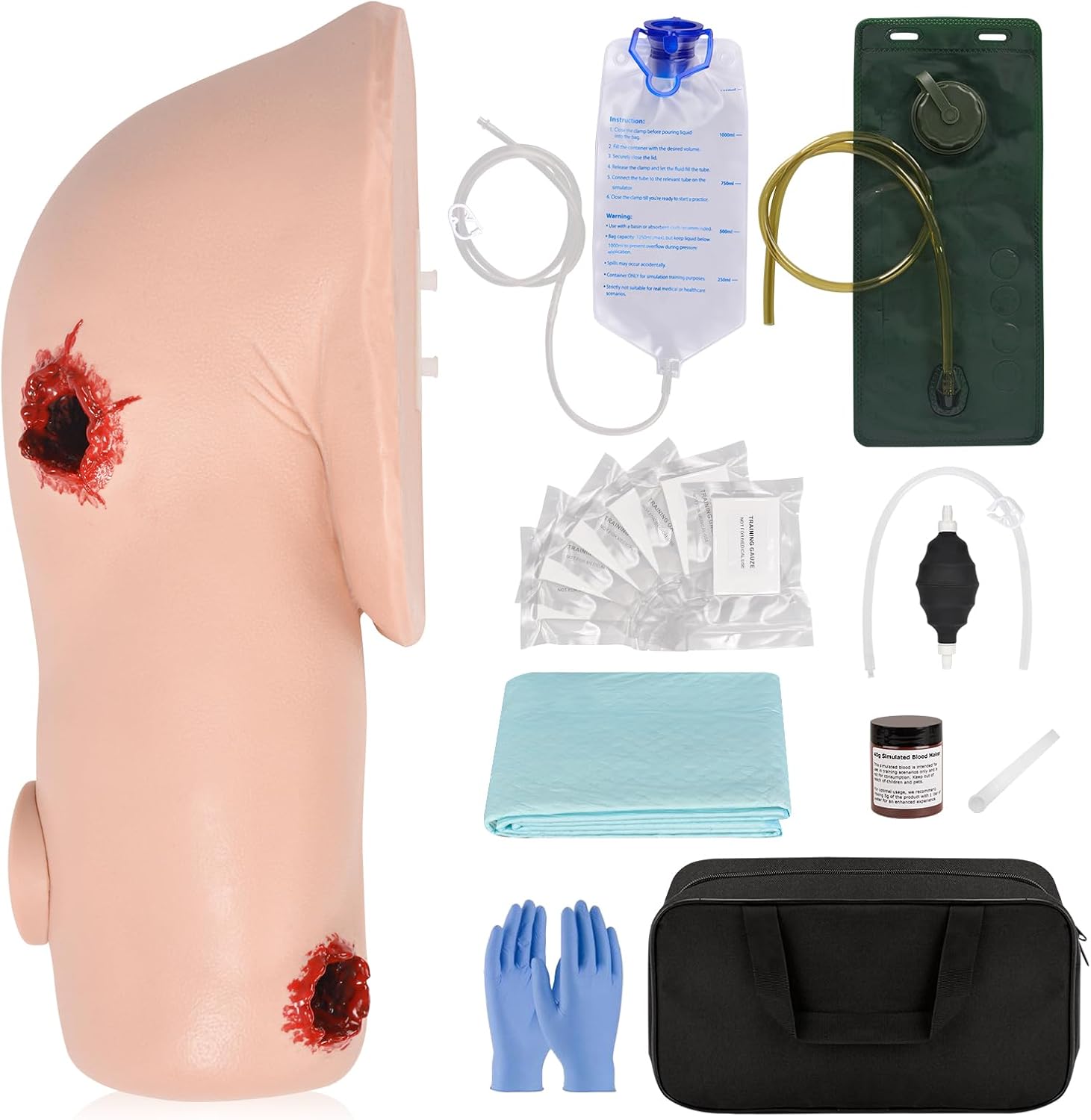
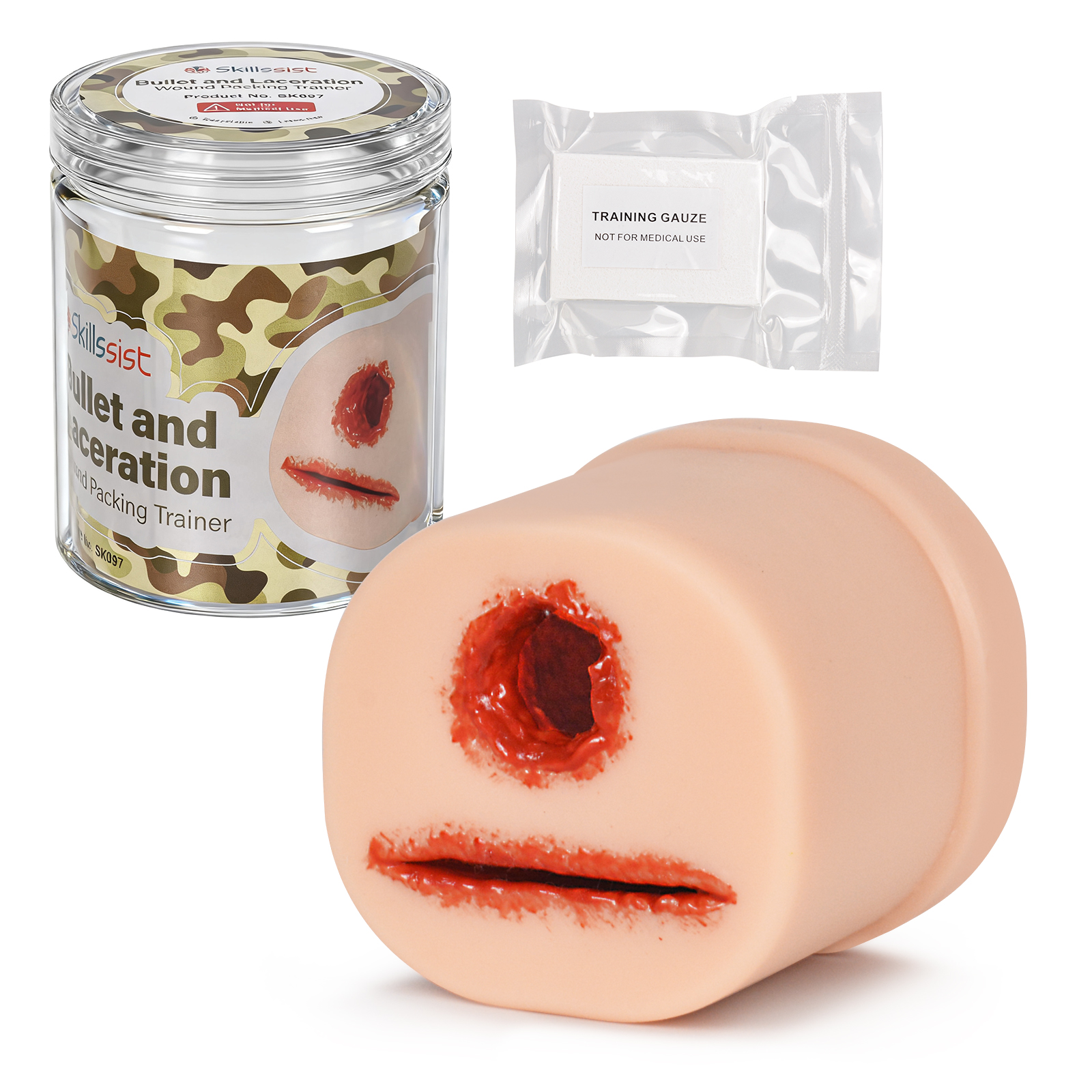
1. Assessing Wound Depth and Cavity Structure
Trainees must learn to evaluate different wound presentations, such as:
- Deep wounds
- Irregular wound cavities
- Wounds with potential dead space
Training helps build spatial awareness of the wound interior, allowing trainees to pack based on tactile feedback rather than visual estimation alone.
2. Controlling Packing Pressure and Tension
A common misconception is that packing a wound means filling it as tightly as possible.
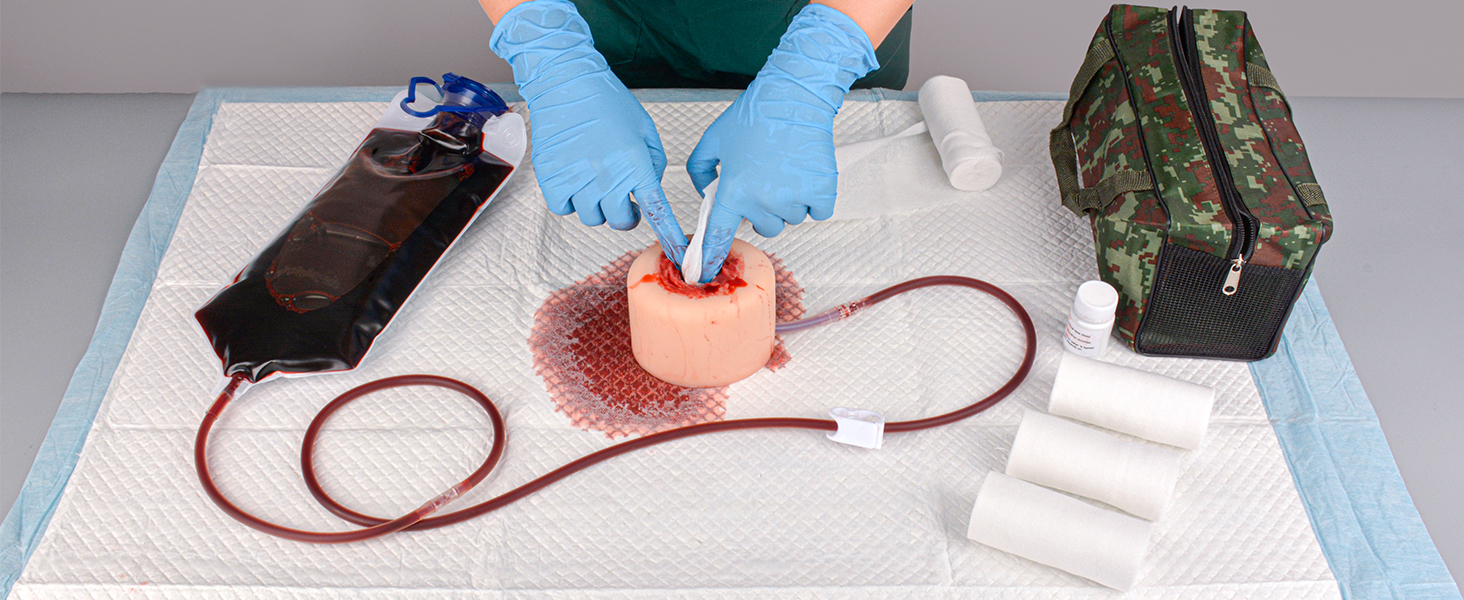
In wound packing training, trainees learn to:
- Avoid overpacking
- Maintain gentle contact between the packing material and the wound bed
- Balance structural support with tissue protection
Proper pressure control is a skill that develops only through repetition.
3. Achieving Even and Complete Wound Fill
Another key objective of training is consistency. Trainees practice how to:
- Distribute packing material evenly
- Avoid leaving gaps within the wound cavity
- Prevent localized areas of excessive tightness or looseness
This promotes standardized technique and improves reliability in clinical performance.
4. Maintaining Technique Consistency
In clinical settings, consistency supports patient safety.
Structured wound packing training allows trainees to practice:
- Following a repeatable workflow
- Using stable hand movements
- Performing skills that can be observed, assessed, and improved through feedback
Common Challenges Trainees Face During Practice
Many trainees encounter similar difficulties during wound packing practice, including:
- Fear of causing harm
- Uncertainty about whether the wound is packed correctly
- Limited opportunities for hands-on repetition
- Inconsistent feedback during training sessions
These challenges are usually related to practice limitations, not a lack of theoretical knowledge.
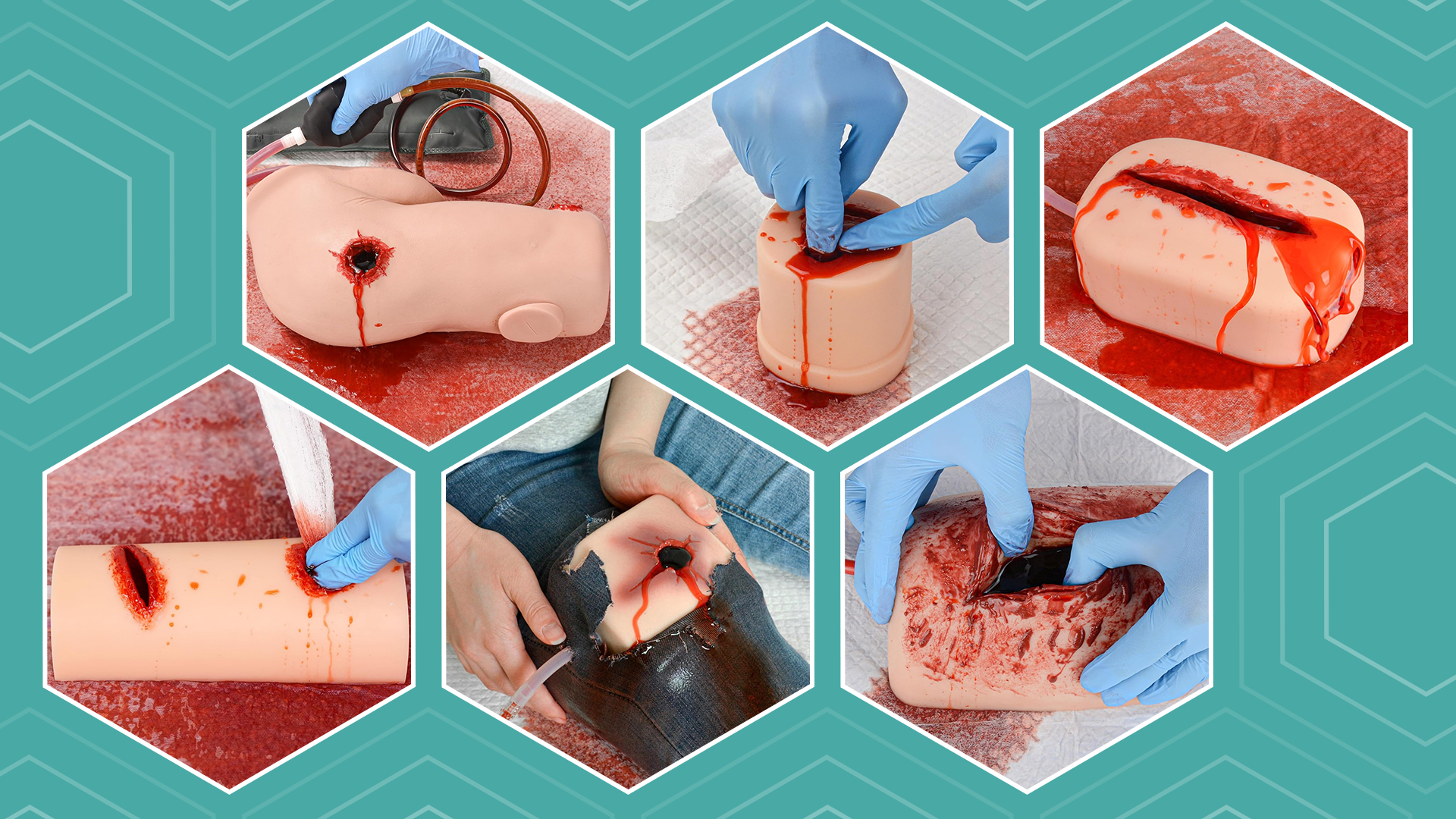
Why Simulation-Based Wound Packing Training Matters
Simulation-based training provides a safe and controlled environment for skill development.
Through wound packing simulation, trainees can:
- Practice repeatedly without risk to patients
- Learn from mistakes without clinical consequences
- Train under standardized conditions suitable for instruction and evaluation
Simulation helps bridge the gap between theory and real-world application.
Who Benefits From Structured Wound Packing Training
Formal wound packing training is valuable for a wide range of learners, including:
- Nursing students
- EMT and first responder trainees
- Participants in wound care certification programs
- Learners in clinical skills labs and simulation centers
All of these groups benefit from practicing wound packing skills in a structured, low-risk environment.
Conclusion
Wound packing is not a skill mastered through explanation alone. Consistent, hands-on wound packing training allows trainees to build judgment, confidence, and technical control before entering clinical practice.
By focusing on proper practice methods and repeated skill development, training programs can better prepare learners for safe and effective wound care.
.jpeg?w=1600&h=1600)