Overview
Severe bleeding is a leading cause of preventable complications in wound and trauma care. Among the techniques used to manage open and deep wounds, wound packing plays an important role in bleeding control and proper wound management.
Understanding what wound packing is, when it is used, and why proper training matters is essential for anyone involved in wound care or emergency response.
What Is Wound Packing?
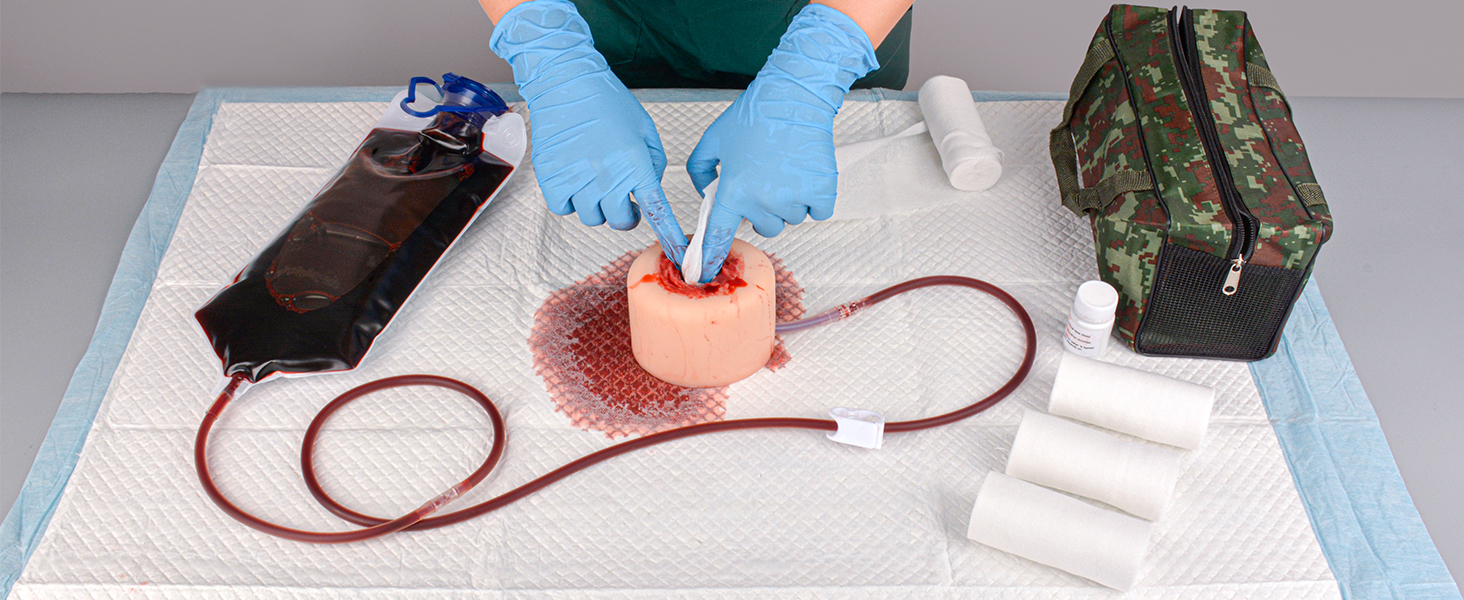
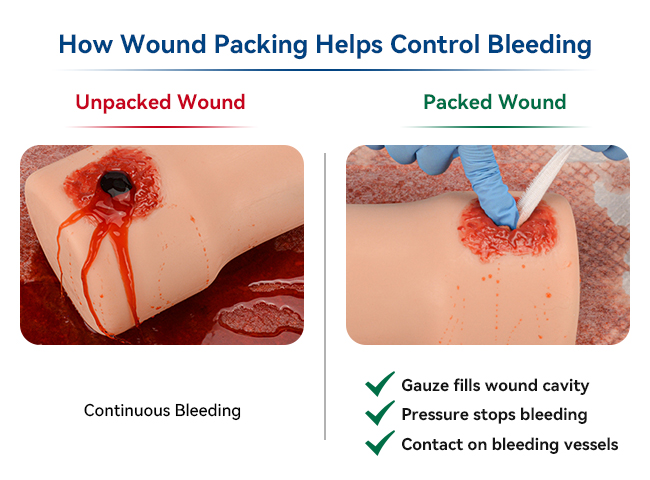
Wound packing is a wound care technique in which sterile material is placed directly into a wound cavity. Unlike surface dressings that simply cover a wound, packing fills the internal space of a wound to help control bleeding and support healing from the inside out.
The goal of wound packing is not to seal a wound closed, but to manage internal bleeding, absorb fluid, and maintain appropriate wound structure during the healing process.
The Purpose of Wound Packing
Wound packing serves several important functions in wound care:
- Bleeding control: Packing applies internal pressure to help reduce bleeding, especially in deep wounds
- Fluid absorption: Packing materials help absorb blood and wound exudate
- Prevention of premature closure: Packing reduces the risk of the wound closing at the surface while deeper spaces remain unhealed
- Support for proper healing: Encourages healing from the wound base outward
These purposes make wound packing a valuable technique in both routine wound care and trauma-related situations.
When Is Wound Packing Used?
Wound packing is typically used when a wound has significant depth, a cavity, or irregular internal space that cannot be adequately managed with surface pressure alone. Common clinical examples include:
- Deep or open wounds, such as those caused by sharp objects or penetrating trauma
- Penetrating injuries, including stab wounds or gunshot wounds, where the wound channel extends beneath the skin
- Traumatic wounds with heavy bleeding and tissue disruption
- Wounds with cavities or dead space, where fluid or blood may accumulate
- Wounds following abscess drainage, to promote proper healing from the inside out
- Certain pressure ulcers, particularly those with undermining or tunneling
The decision to use wound packing is based on careful wound assessment and clinical judgment, and the procedure is typically performed by trained healthcare or emergency response personnel.
Wound Packing in Bleeding Control and Trauma Care
In bleeding control and trauma care, wound packing is often used when external pressure alone is not sufficient. By filling the wound cavity, packing helps apply direct pressure to internal bleeding sites.
In emergency and trauma settings, wound packing may be used alongside other bleeding control methods, such as direct pressure or hemostatic materials, as part of a structured response to severe bleeding.
What Wound Packing Is Not
To avoid misunderstanding, it is important to clarify what wound packing does not involve:
- It is not intended for minor or superficial wounds
- It is not a substitute for professional medical evaluation
- It is not a universal solution for all types of wounds
Improper use or misunderstanding of wound packing can increase the risk of complications.
Why Proper Training Matters
Although the concept of wound packing may appear straightforward, performing it correctly requires skill and judgment.
Factors such as wound depth, cavity shape, and packing pressure all influence outcomes.
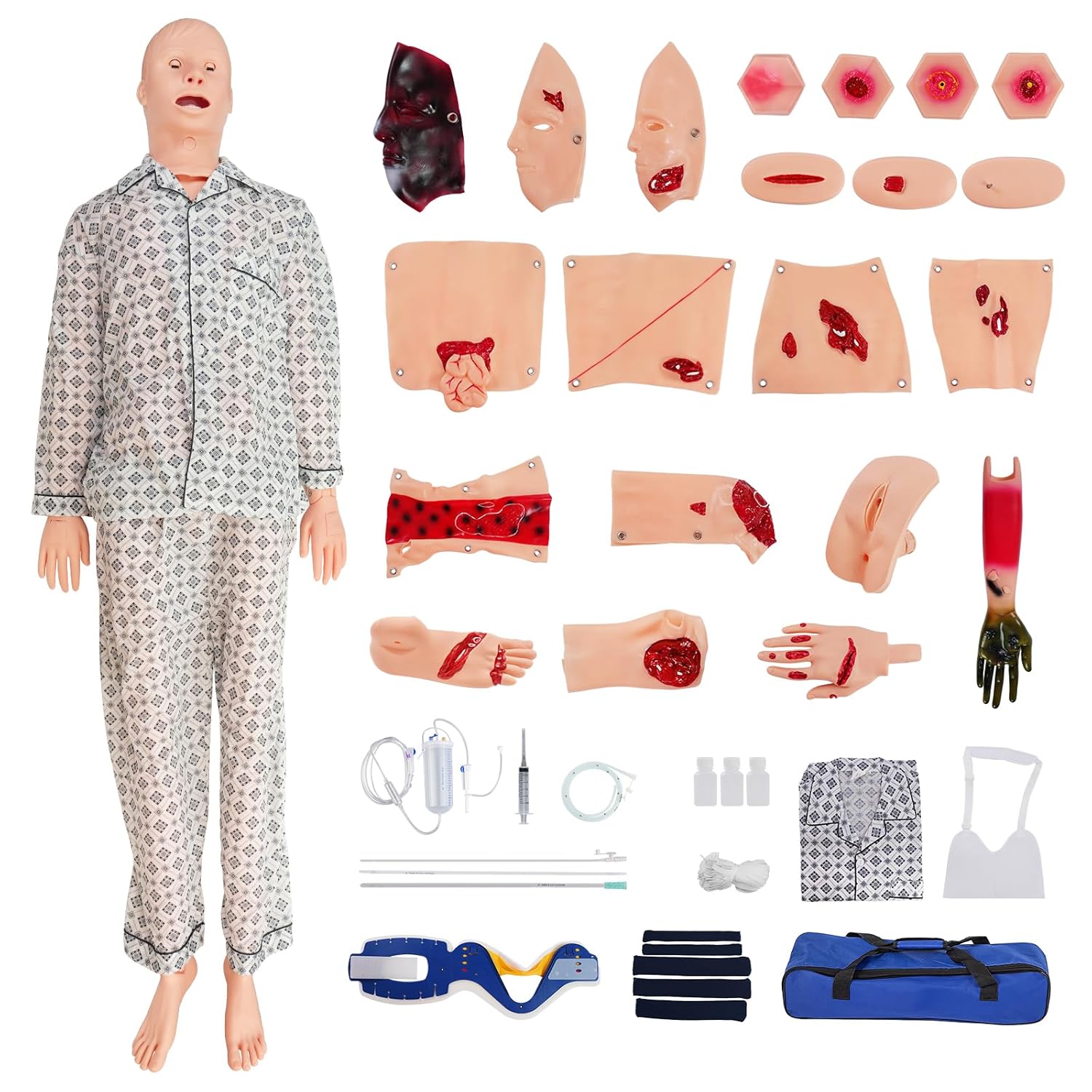
For this reason, hands-on wound packing training and simulation-based practice are essential for developing safe and effective technique. Training allows learners to practice in controlled environments before applying these skills in real clinical or emergency situations.
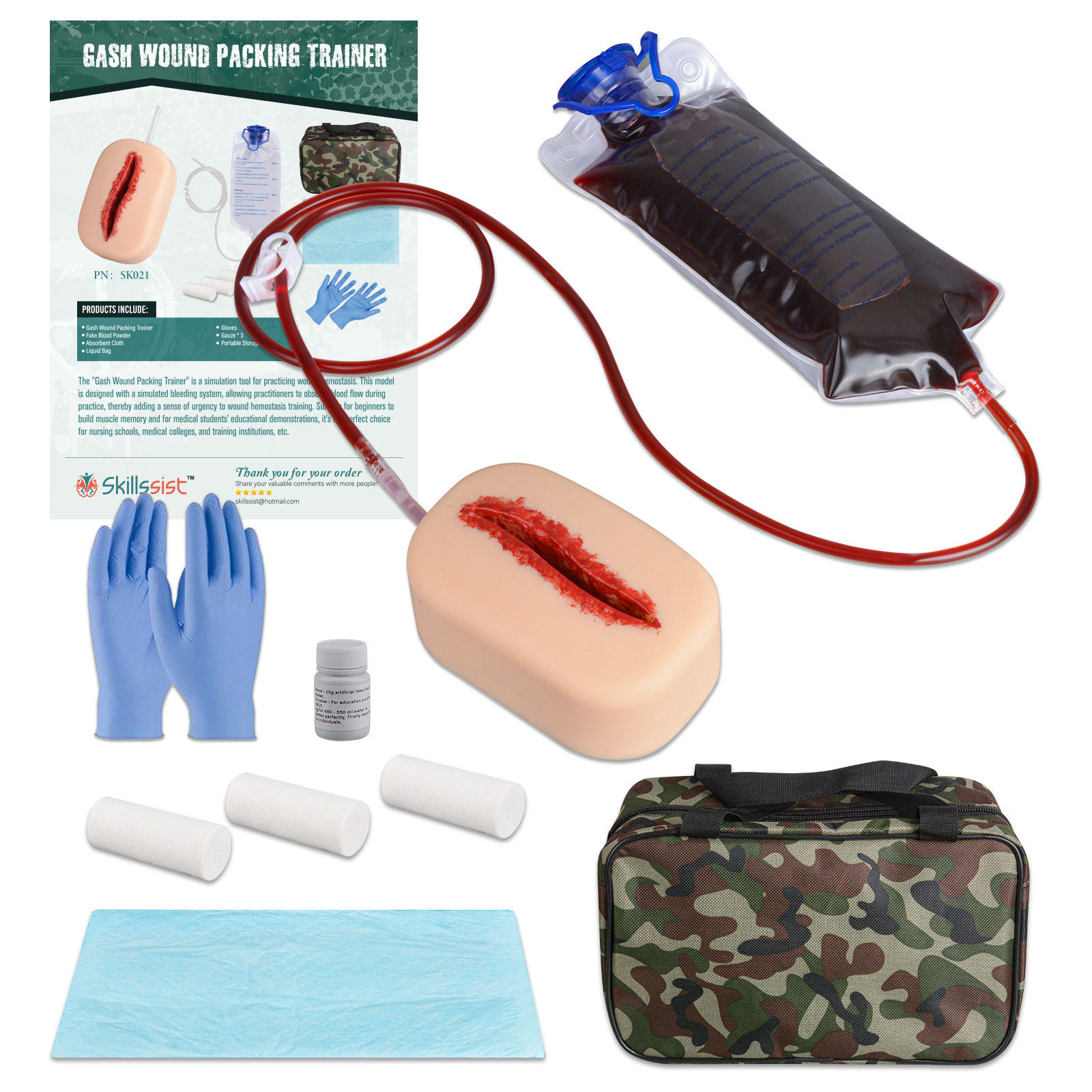
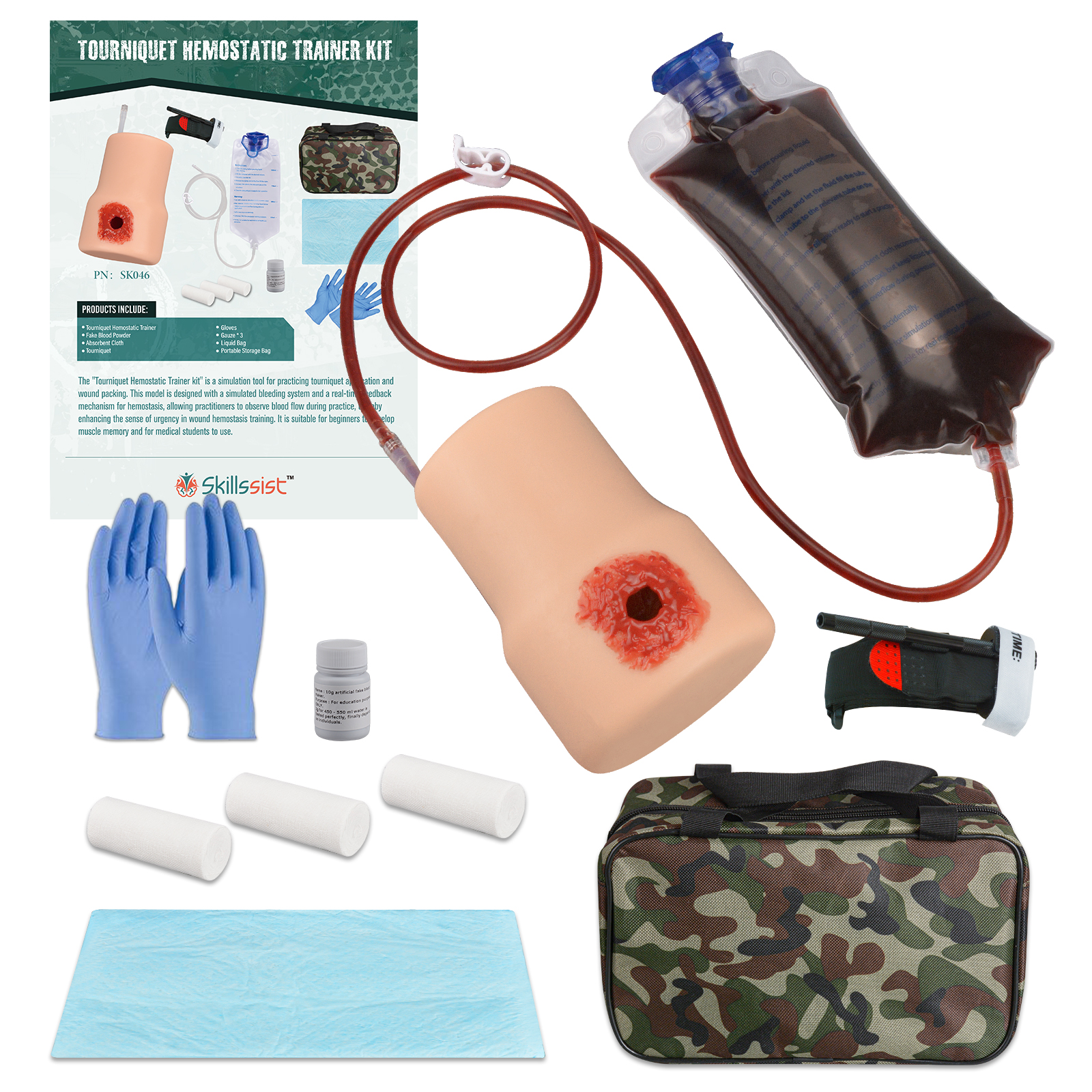
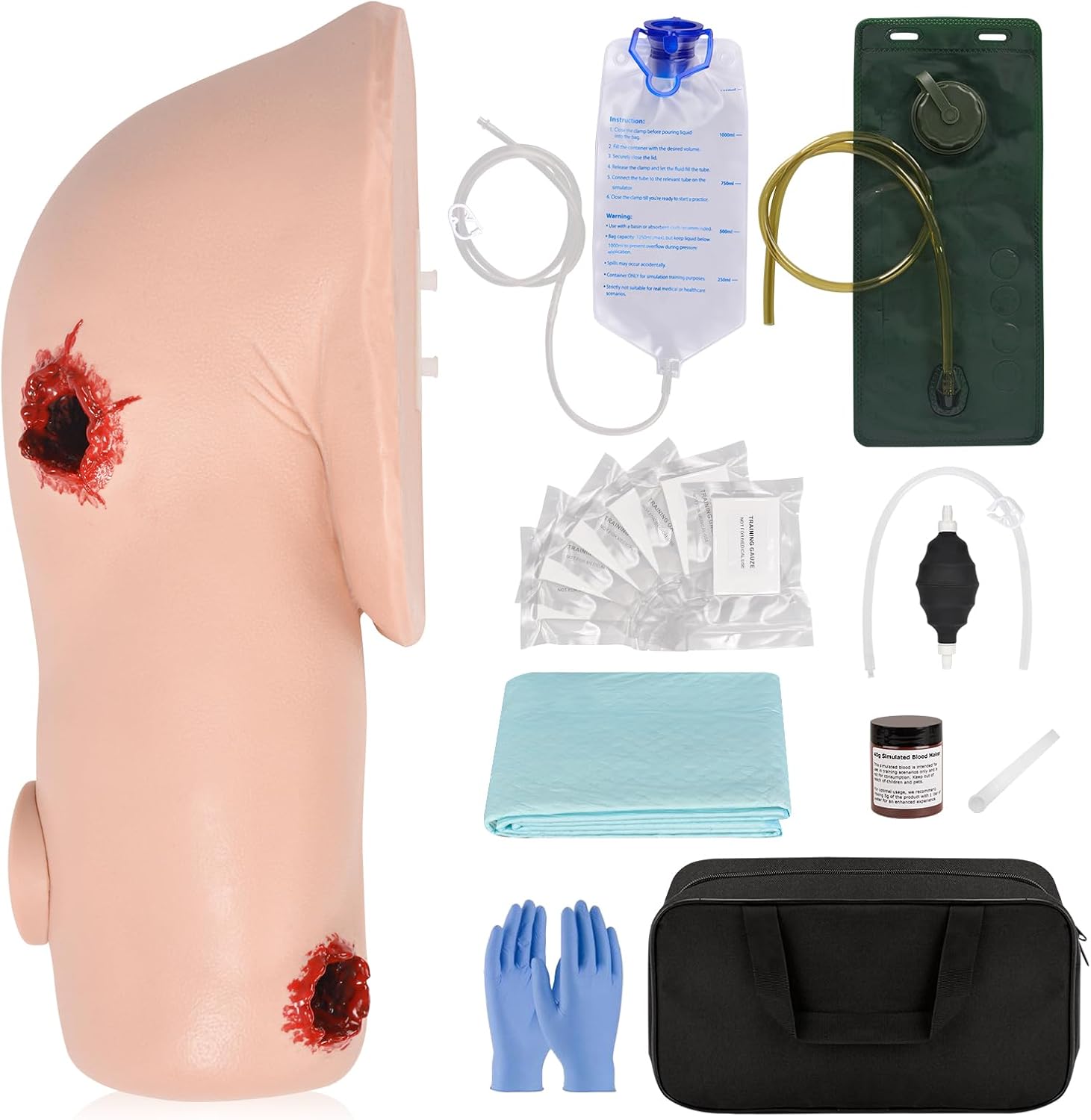
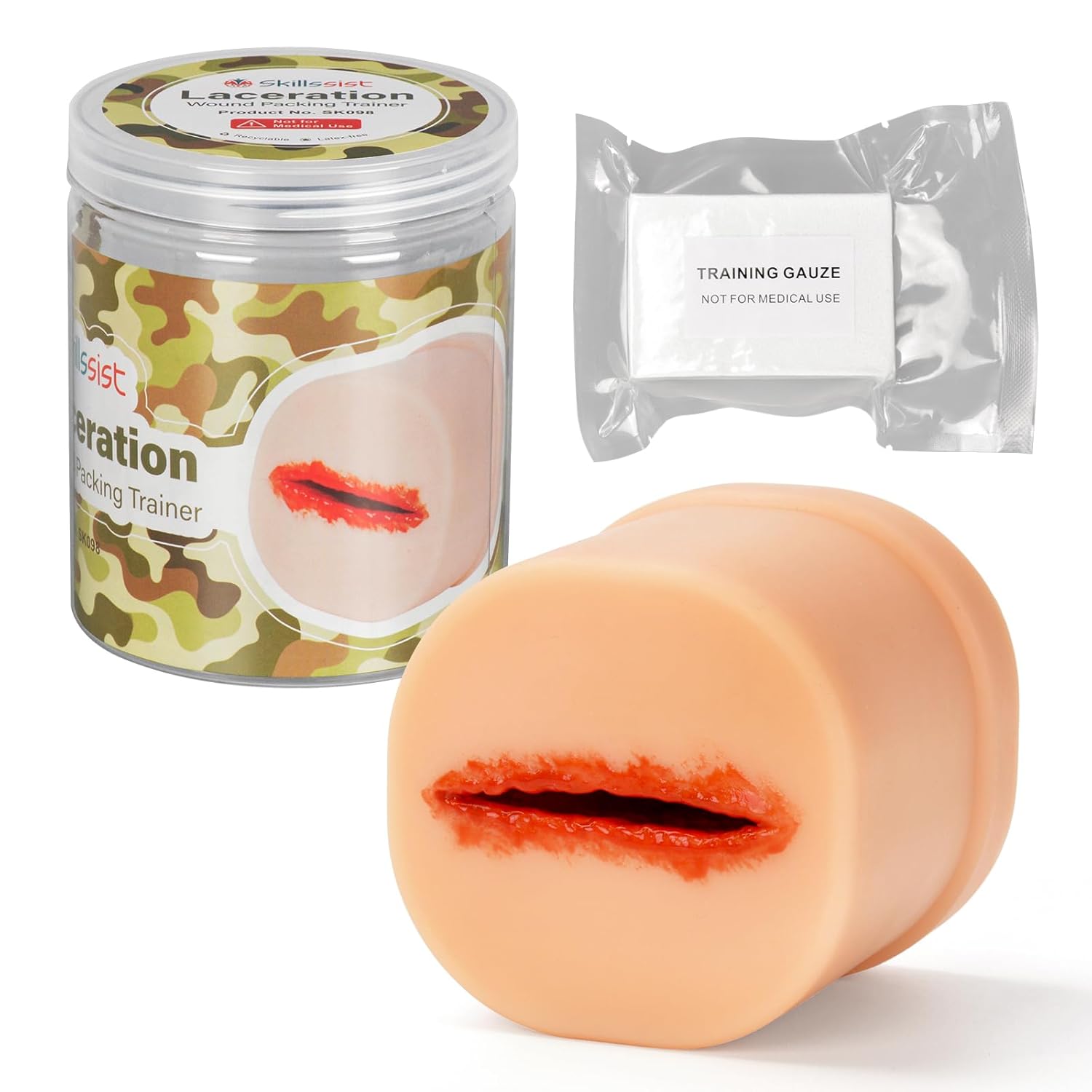
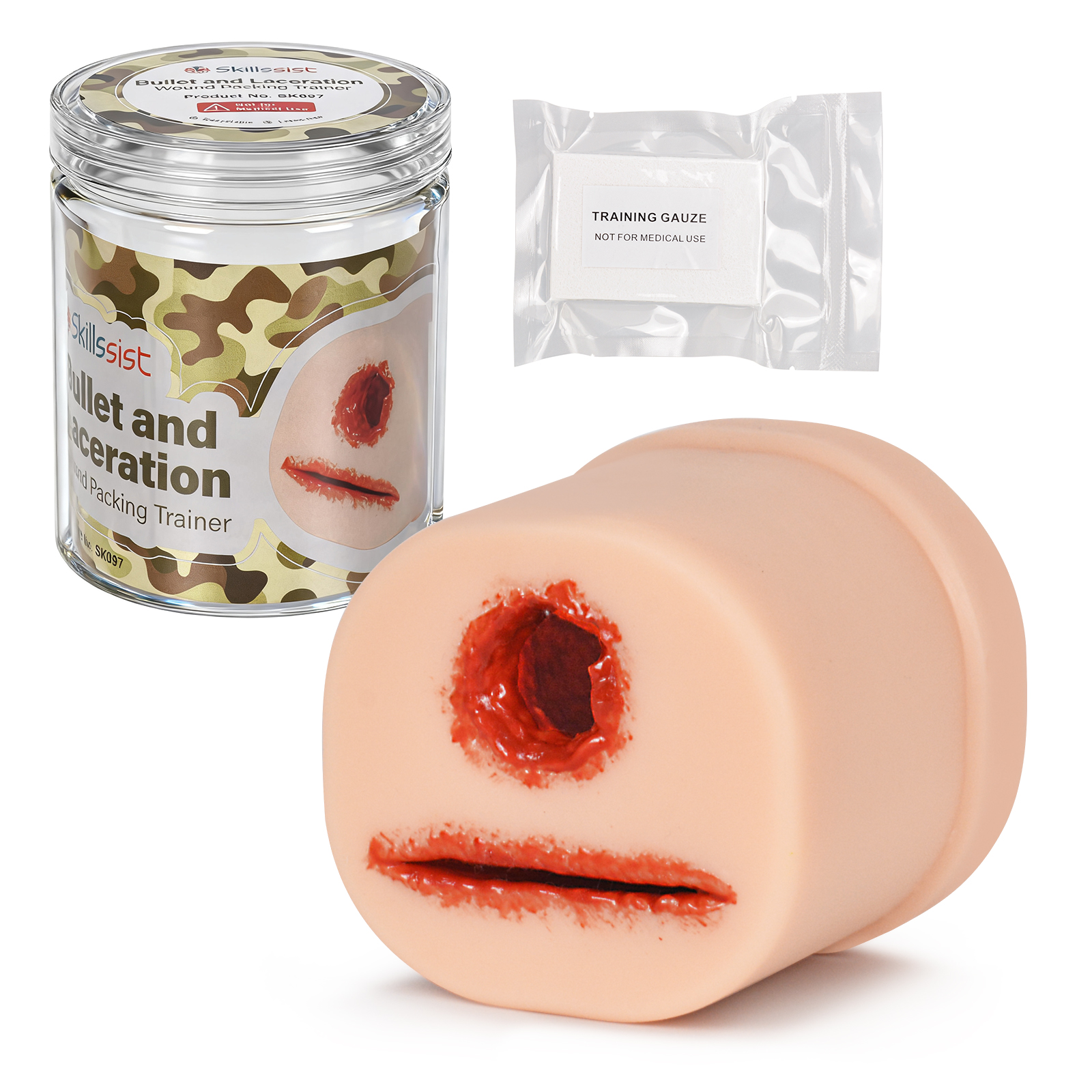
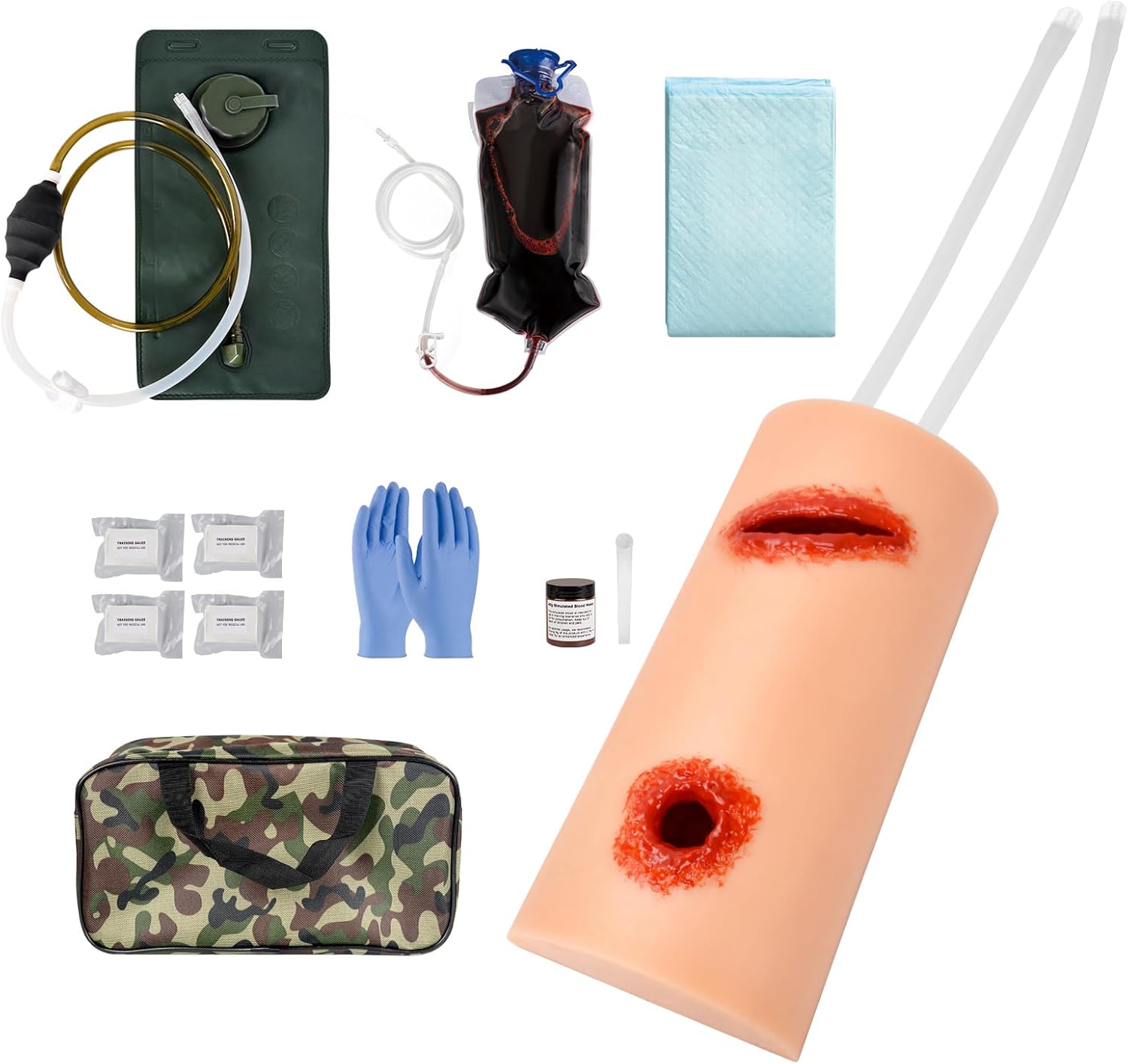
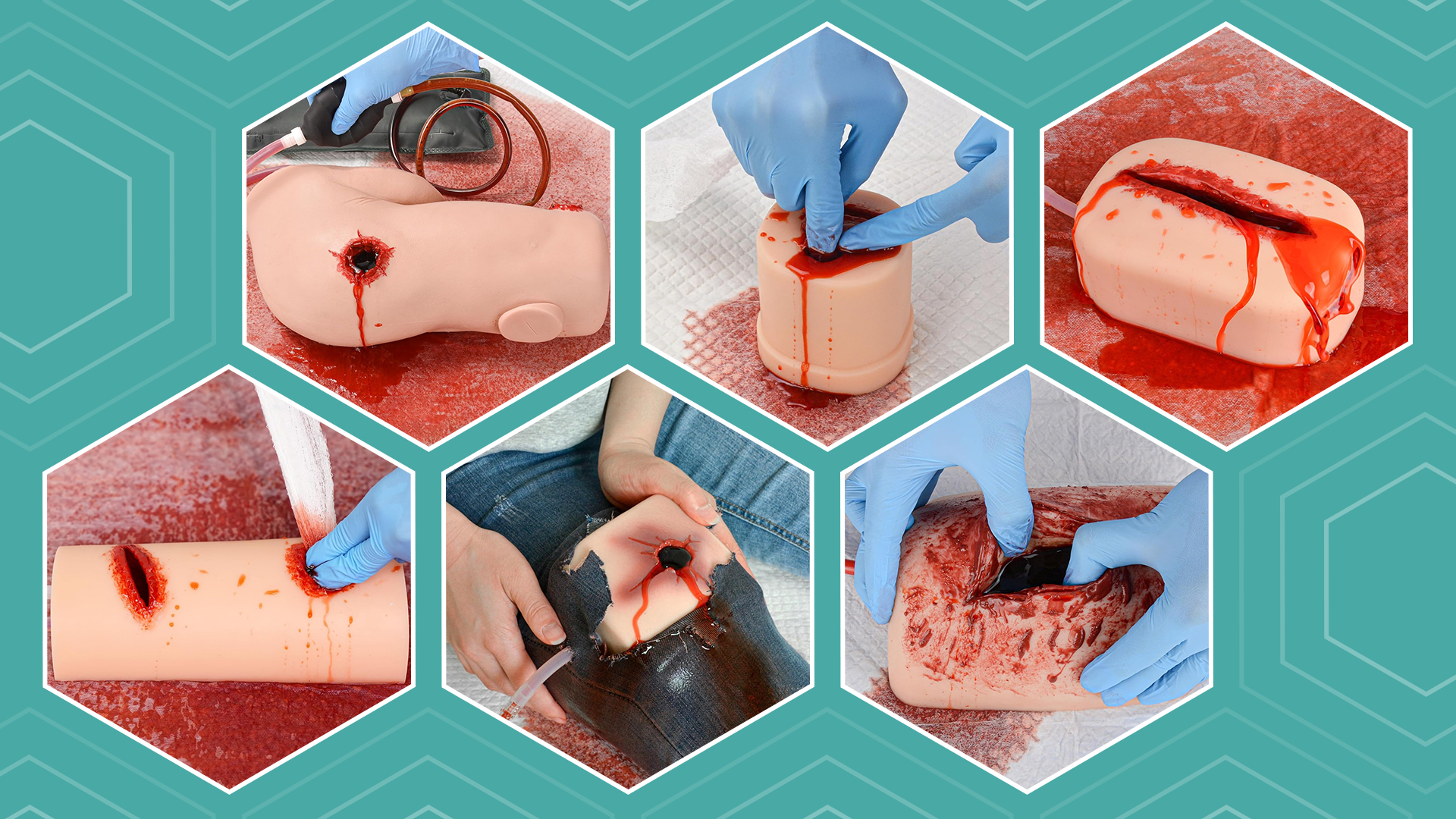
To support this type of skill development, Skillssist wound packing trainers are designed to replicate realistic wound cavities and packing resistance, allowing learners to practice depth assessment, pressure control, and consistent technique through repeated simulation. These training tools help bridge the gap between theoretical understanding and real-world wound care practice.
Conclusion
Wound packing is a widely used technique for managing deep wounds and controlling bleeding. A strong foundation in wound packing knowledge, combined with structured training, supports safer and more effective wound management practices.
.jpeg?w=1600&h=1600)