
Introduction
CPR might look like just keeping up continuous chest compressions, but in reality, maintaining high-quality compressions over time is not easy. Rescuers can quickly become fatigued, which can affect the depth and rate of compressions—factors that directly impact a patient’s chance of survival. For this reason, rescuers often need to switch positions during CPR. So, when should rescuers change roles, and what should they keep in mind during the switch? This article provides a brief overview.
When Should Rescuers Switch Positions During CPR?
To ensure high-quality chest compressions, most first aid guidelines recommend that rescuers take turns regularly during CPR. Generally, when two or more rescuers are available, it’s recommended to switch the person performing compressions every 2 minutes. This roughly corresponds to five cycles of 30 compressions and 2 breaths.
However, in some situations, a switch should be made even before the 2 minutes are up. For example:
1. When the current rescuer feels fatigued
Chest compressions require continuous effort while maintaining a steady rhythm and depth, which can be physically demanding. Even trained rescuers may experience arm fatigue, shortness of breath, or difficulty maintaining proper posture after performing compressions for a period of time. Once a rescuer feels noticeably tired, someone else should take over immediately to prevent a decline in compression quality.
2. When the compression quality starts to decline
High-quality chest compressions require adequate depth, a consistent rhythm, and full chest recoil. If compressions become too shallow, too slow, or uneven in rhythm, it indicates that the current rescuer’s performance may be declining. In such cases, the rescuer should be switched as soon as possible to restore effective compressions.
3. Signs of poor perfusion
In some professional medical settings, healthcare providers may monitor blood pressure, pulse, or other vital signs to assess the effectiveness of CPR. If circulation appears inadequate—such as persistently low blood pressure or an absent or weak pulse—it may indicate that chest compressions are not effective enough. In such cases, switching the rescuer can help improve compression quality and enhance blood flow.
4. During rhythm checks or AED analysis
When using an automated external defibrillator (AED) for rhythm analysis or preparing to deliver a shock, chest compressions must usually be paused briefly. This pause is often a good opportunity to switch rescuers. By performing the switch during the device’s analysis, additional interruptions to compressions can be minimized, helping to maintain the continuity of CPR.
Clearly, timely rescuer rotation is very important during CPR. Continuous compressions can quickly lead to fatigue, so CPR training should not only focus on proper compression techniques but also on practicing quick and smooth rescuer switches. This way, in real emergencies, interruptions can be minimized, high-quality compressions can be maintained, and the patient’s chances of successful resuscitation are improved.
Common Mistakes When Switching Rescuers During CPR
When switching rescuers during CPR, poor coordination can actually disrupt the continuity of chest compressions. Here are some common issues that may occur during real rescues or training:
1. Long interruptions during the switch
Some teams spend too much time adjusting positions or communicating during the handover, which can prolong the pause in compressions. Ideally, the incoming rescuer should be in position and ready before the switch so that compressions can resume immediately.
2. Incoming rescuer doesn’t confirm proper hand placement
Sometimes the new rescuer is eager to take over and may not fully check their hand position or body posture, which can reduce compression depth and effectiveness. Even during a quick switch, it’s important to ensure the correct position.
3. Compression rhythm changes after the switch
Different rescuers may have slightly different compression rhythms. If the new rescuer suddenly changes the speed or timing, it can affect the overall quality of CPR. The goal is to maintain a steady and consistent rhythm.
4. Lack of simple, effective communication
Without clear communication among team members, the handover can become confusing—for example, not knowing who will take the next turn. Simple verbal cues or confirming the rotation order in advance can help the switch go smoothly.
Training and Preparedness
Mastering when to perform CPR, the correct techniques, and how to switch positions during resuscitation requires consistent practice and regular training. During training, participants can use simulated scenarios and role-playing exercises to become familiar with team coordination and the actual steps needed in real emergencies.
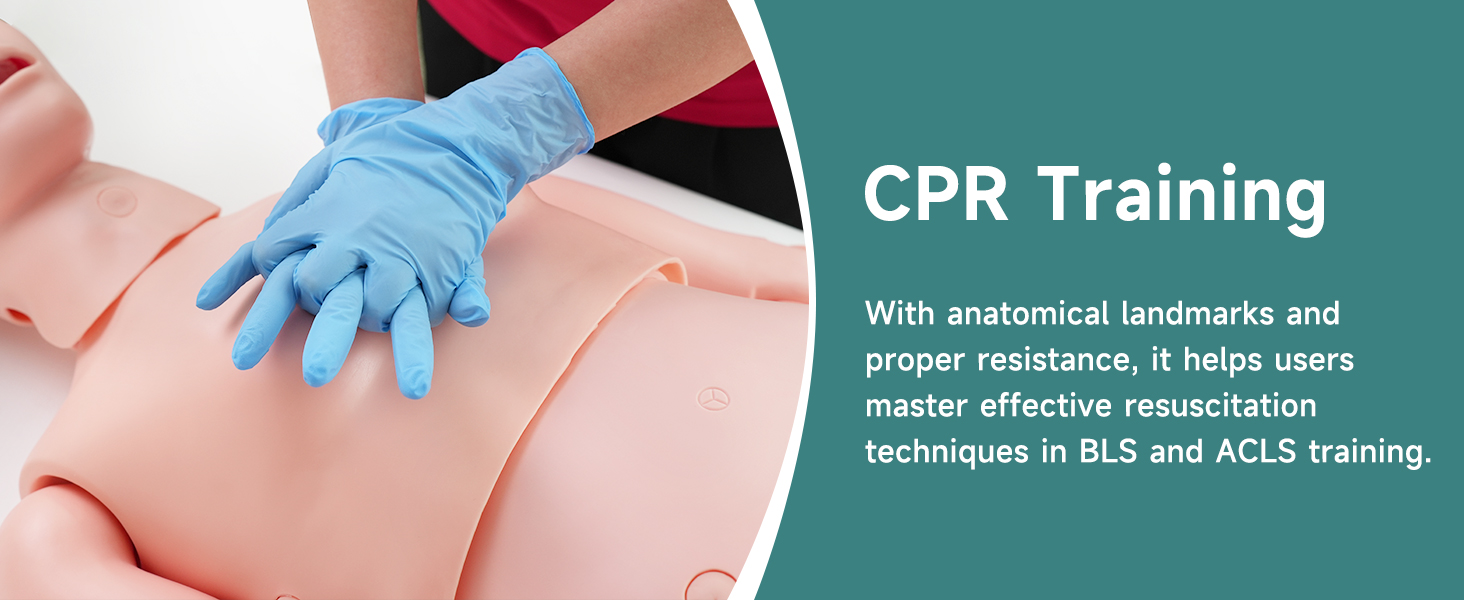
In addition, CPR training tools can help improve the learning experience. For example, if the focus is on practicing compression depth and rate, a hands-only CPR training module can be used. For more complete simulation practice, a full body medical training mannequin allows learners to experience a realistic emergency scenario, helping them better understand CPR procedures and team collaboration.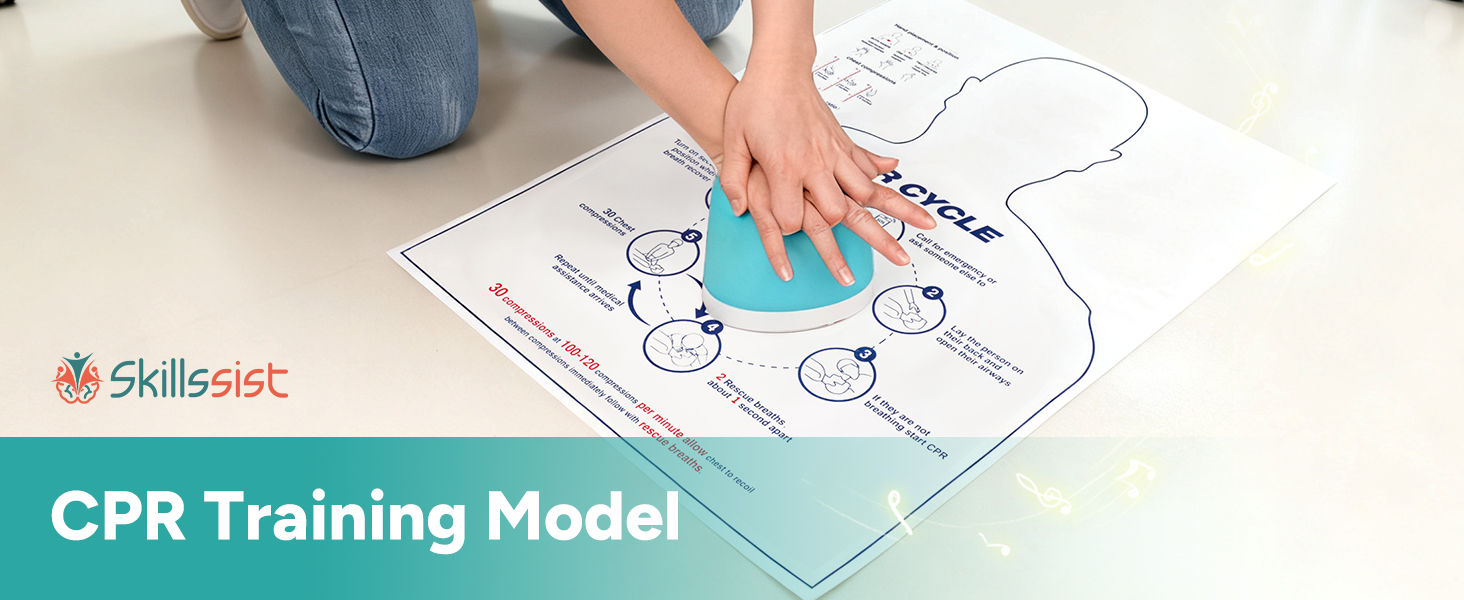
Summary
When Should Rescuers Switch Positions During CPR? During CPR, many people worry about getting tired from prolonged compressions or that switching rescuers will interrupt the flow. In reality, as long as rescuers rotate in a timely manner and maintain the correct rhythm and depth, high-quality CPR can be sustained. Regular practice and simulation training can help you feel more confident and composed in real emergency situations.