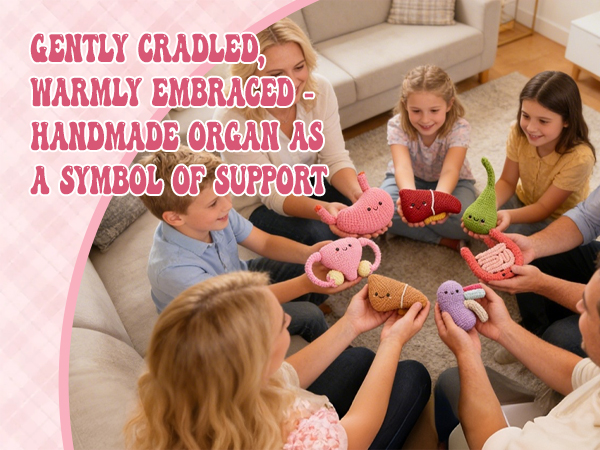
From a very young age, children start asking curious questions about their bodies, such as ‘Where is my heart?’ ‘Why do we bleed?’ or ‘Why do we need to breathe?’ These simple, everyday questions are actually closely related to kids anatomy and provide a natural way to introduce anatomy for children.
By exploring the human body for kids through basic, hands-on activities, children can gradually understand how their bodies work and what role each organ plays. When people hear the word ‘anatomy,’ they often imagine something complicated, serious, or even a little scary. But with the right approach, learning anatomy can become a fun, easy, and engaging experience for kids, full of curiosity and discovery.
Curiosity First: Anatomy as a Child’s First Step to Understanding the Body
For kids, learning anatomy isn’t a 'professional' activity—it’s a way to get to know themselves. As children grow, they gradually become aware of their bodies and start asking all sorts of curious questions: Why does my heart beat faster when I run? Where does blood come from when I get a cut? What is my body telling me when I’m hungry? What is my brain doing while I sleep?
These everyday questions may seem simple, but they are actually the starting point for kids anatomy and basic physiology. By exploring the human body for kids and learning about the structure and function of different organs, children can begin to build an understanding of themselves. They start to see that the body isn’t a “mysterious black box,” but a well-organized system with specific roles for each part.
This early understanding not only helps children appreciate the importance of health and safety, but also teaches them how to take better care of themselves in daily life. Compared to memorizing terms, learning anatomy from a place of curiosity is more engaging for children and leaves a deeper, longer-lasting impression.
Start Anatomy Learning in a Soft and Safe Way
When children are learning something new, their first impression can have a big impact. If the learning materials feel too cold or too professional, kids may feel distant from the subject or even hesitate to engage.
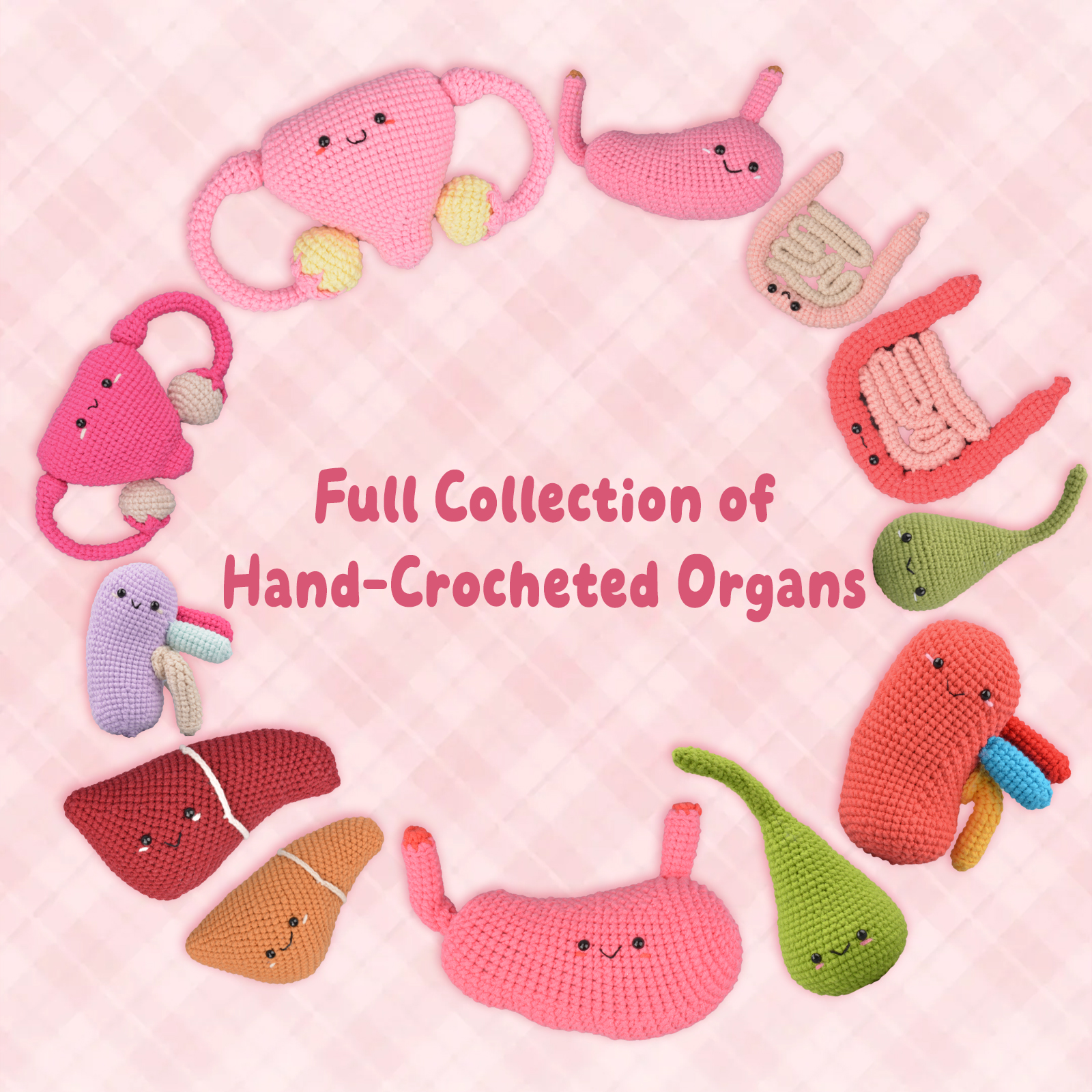
In contrast, soft, colorful, and child-friendly anatomy models without sharp edges can help children feel more comfortable. Knitted human organ models, for example, look like toys but accurately show the basic shapes and positions of the heart, liver, kidneys, and brain. These models allow children to explore kids anatomy and the human body for kids in a relaxed and playful environment, making fun anatomy activities both safe and educational.
Integrating Anatomy Learning into Everyday Exploration for Kids
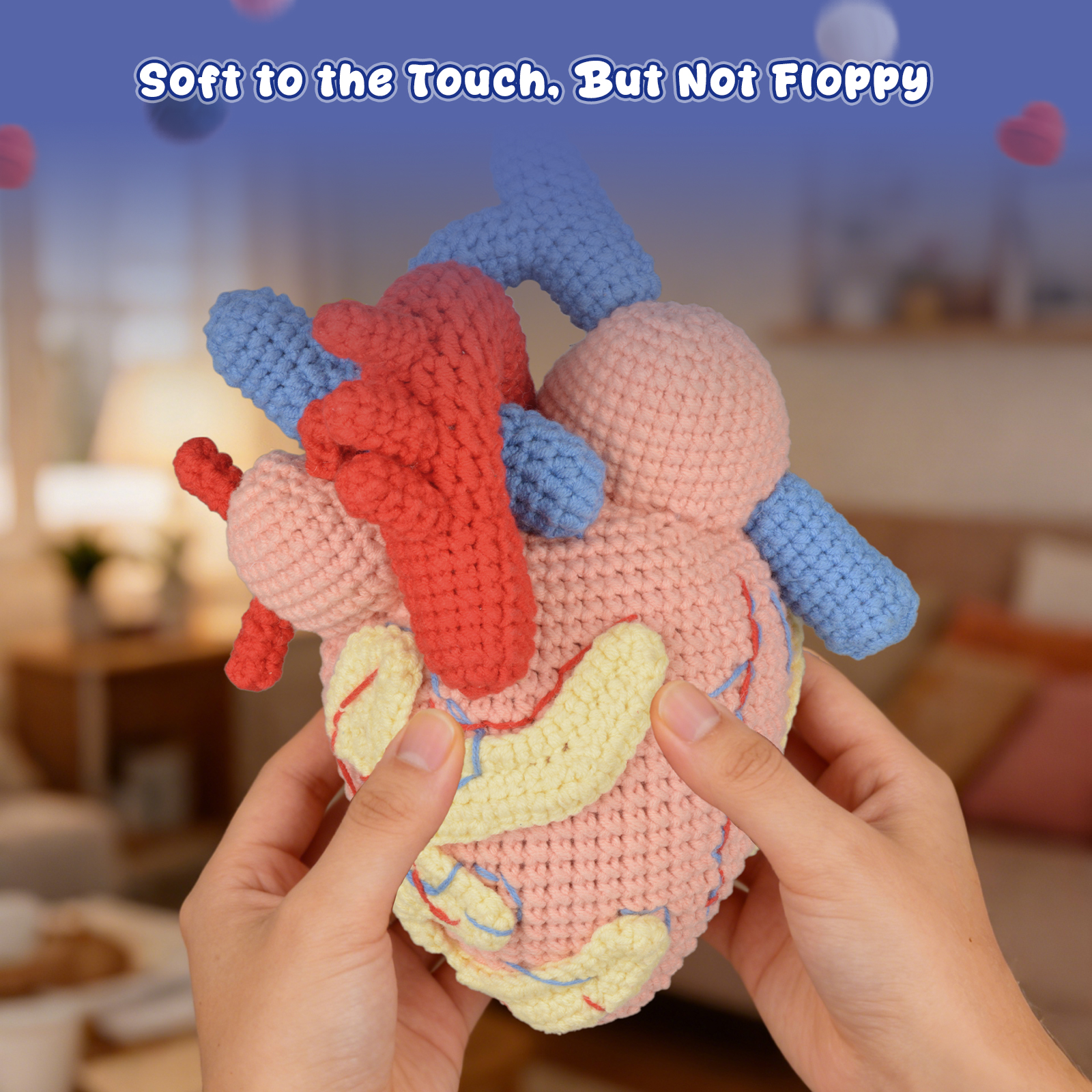
For children, simply 'looking' or 'listening' is far less effective than hands-on learning. Compared to lectures or pictures alone, being able to touch and manipulate anatomy models helps spark their curiosity and interest in kids anatomy.
These models can be incorporated into children’s everyday play, allowing them to naturally explore the structure of the body during games and activities. As children handle the models, they begin to notice the shapes, sizes, and positions of organs without even realizing it, making anatomy for children easier to understand. In this process, kids are not just playing—they are observing, discovering, and building an understanding of the human body.
Focusing on hands-on exploration not only helps children better grasp anatomy concepts, but also makes learning feel natural, engaging, and in line with how kids best learn about the world. This approach turns fun anatomy activities into a meaningful and memorable experience.
Start with Animals to Explore the Diversity of Life
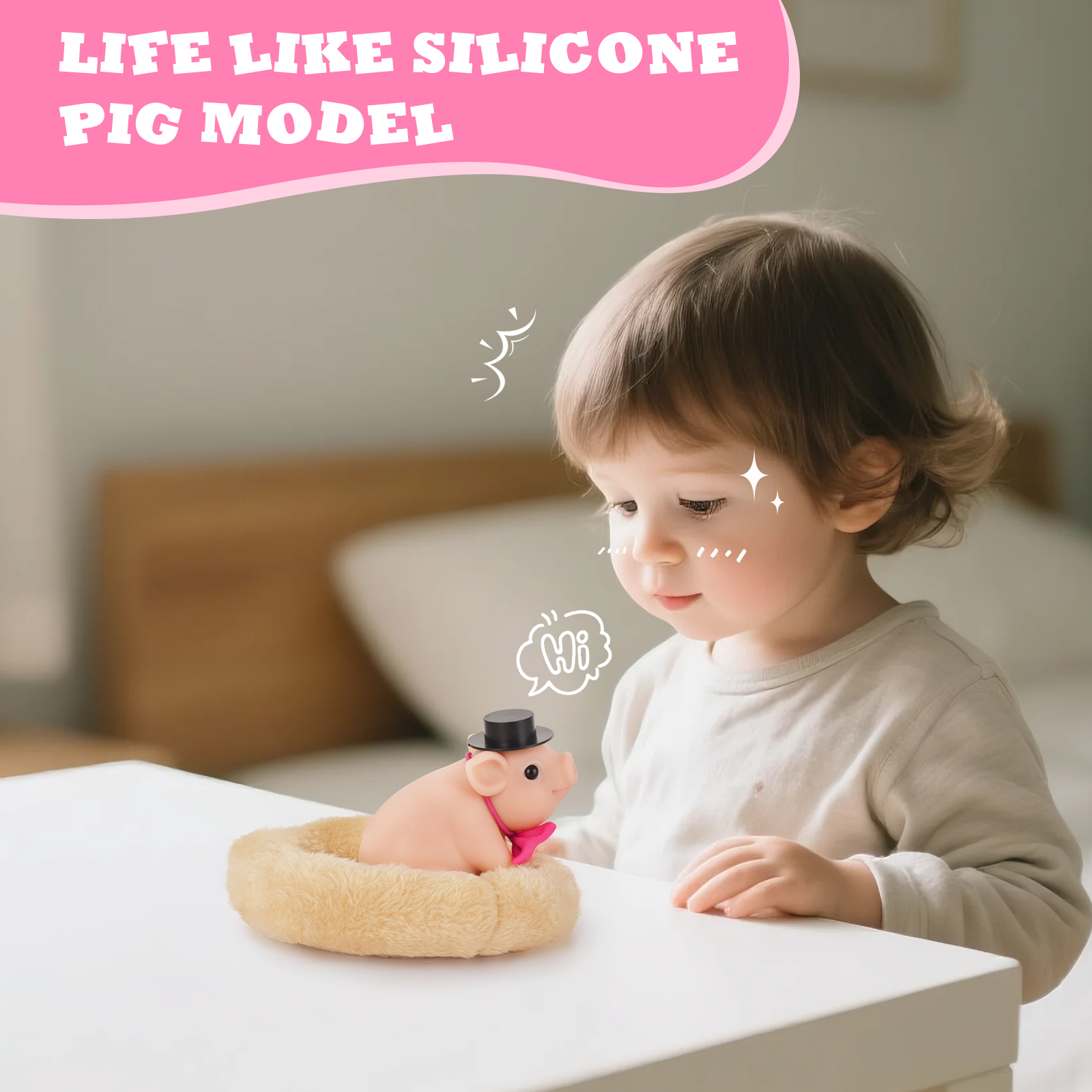
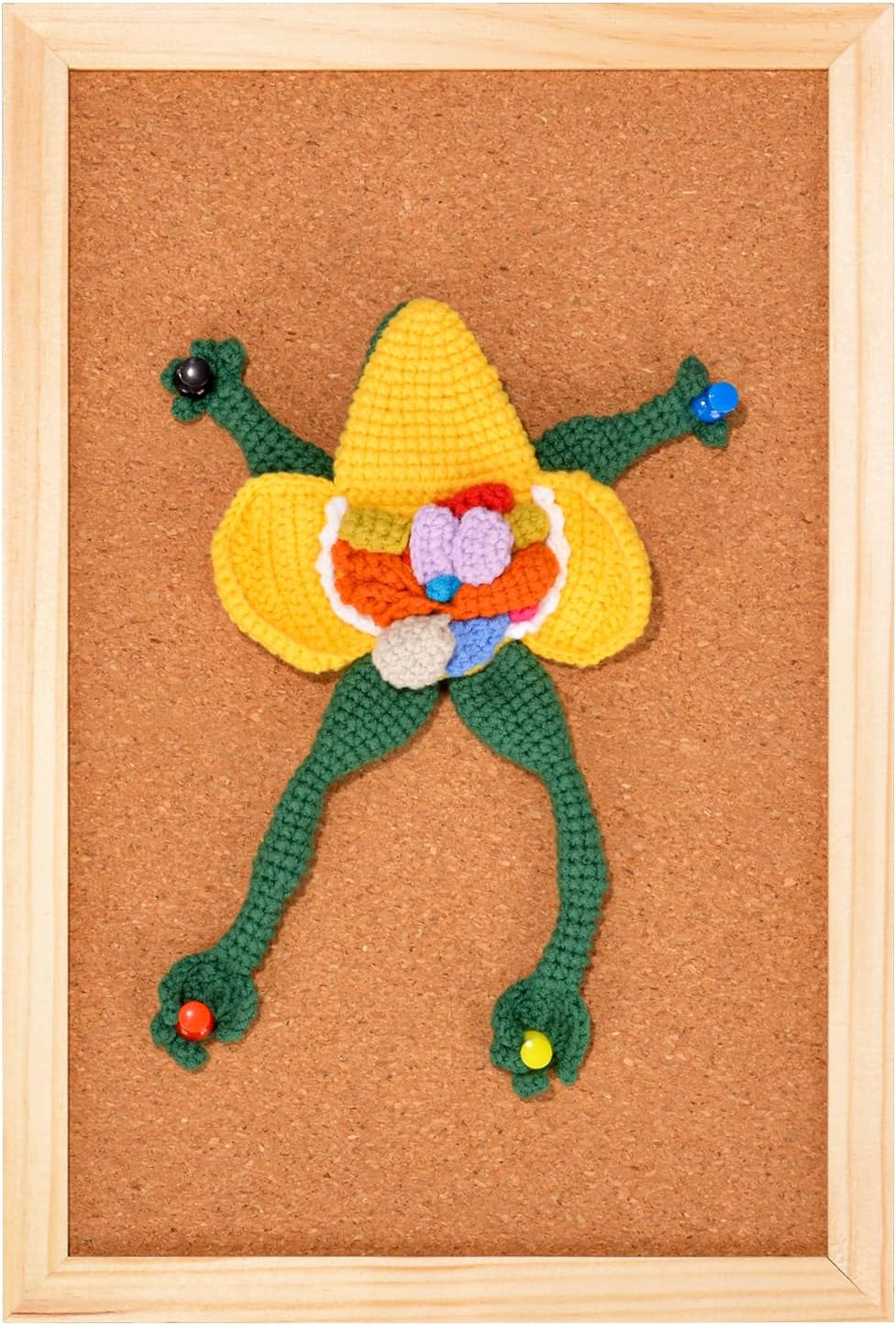
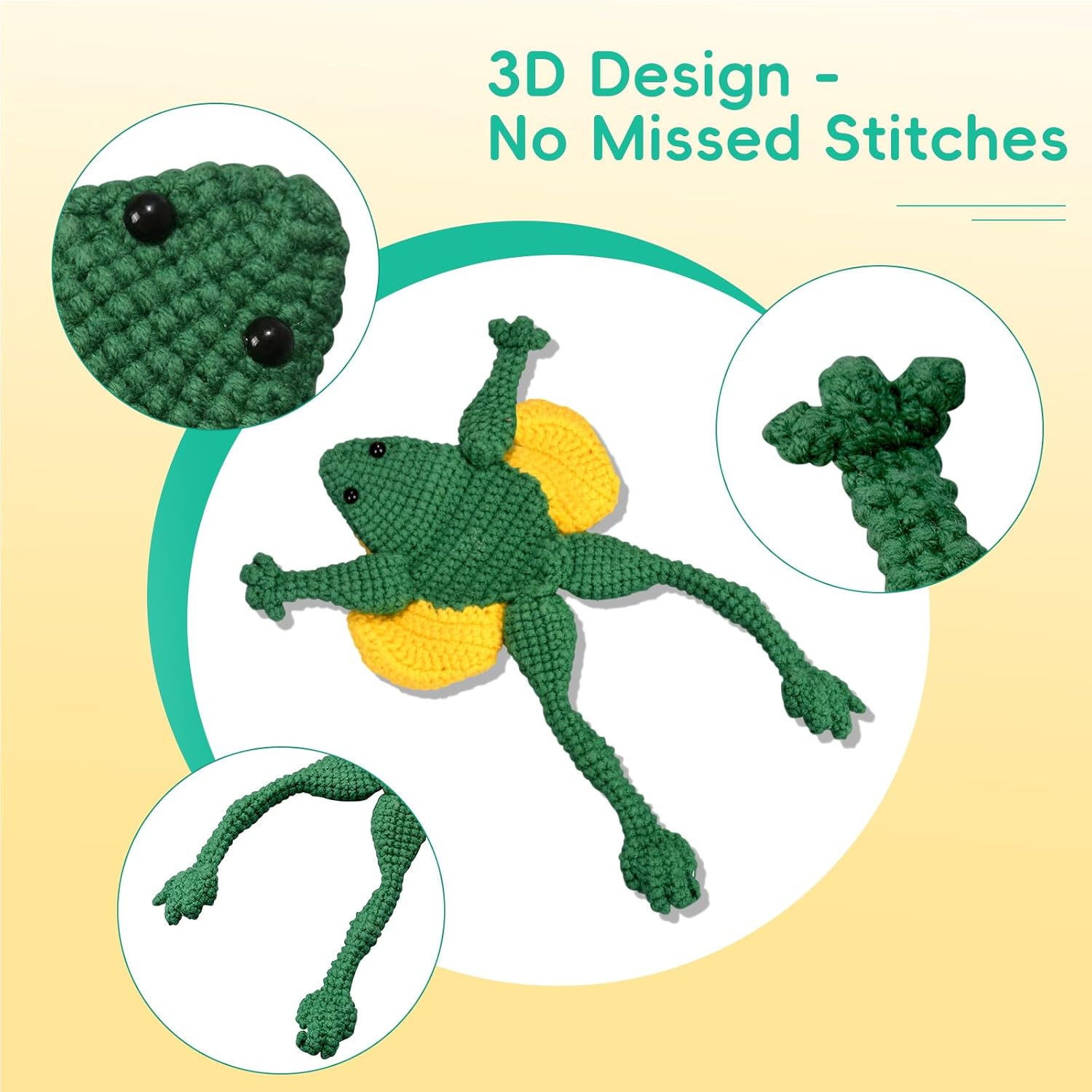
Animals are an important window for children to understand the world and a great starting point for learning anatomy and basic biology. Children can begin by exploring the basic structures of animals like rats and frogs, helping them understand that, while different life forms have unique shapes and functions, there are also many similarities. Comparing animals and humans in this way can improve children’s understanding of the human body, while also developing their observation skills and scientific thinking.
Crocheted or silicone animal anatomy models are highly recommended, allowing children to safely and comfortably explore the structures of rats, frogs, and other creatures. Silicone models feel closer to real animals, while knitted models are soft and approachable. Both types provide a hands-on experience that makes more tangible and easier to understand, turning learning into a fun, interactive activity.
Turn Anatomy Learning into Games and Stories
Learning anatomy doesn’t have to mean sitting still and memorizing terms. By using games and stories, children can understand organs and body structures in a fun and relaxed environment.
Here are some ideas to try:
- Play a “Find the Organ” game, where kids locate different organs on models or diagrams;
- Use simple, engaging stories to explain the function of each organ—for example, describing the heart as a little pump at work;
- Let children play the role of “little scientists,” exploring the body while handling models.
When learning feels like a game, children not only understand and remember anatomy for children more easily, but also become more actively involved. This approach makes kids anatomy and fun anatomy activities both enjoyable and educational.
Don’t Worry About Memorizing—Just Have Fun
The goal of learning anatomy for children isn’t to memorize a long list of terms, but to spark their curiosity about the body and life.
Parents and teachers can encourage kids to ask questions, observe closely, and share their thoughts, letting them learn through exploration rather than just memorizing answers. A relaxed and fun learning experience often does more to inspire a long-lasting interest in science than rote memorization ever could.
Summary: Make Anatomy Learning Fun and Engaging
Choosing the right anatomy learning tools and materials can make a child’s learning journey easier and more enjoyable. When anatomy for children is fun and engaging, kids are more likely to actively explore the mysteries of the body and life, while maintaining a long-lasting curiosity and interest in the world of science.
🛒Recommended: Skillssist Children’s Anatomy Learning Series
Whether at home for parent-child learning, in the classroom, or during science activities, the Skillssist children’s anatomy models are ideal educational tools. The series includes knitted human organs, brain anatomy models, and both crocheted and silicone animal anatomy models, such as rats and frogs. These models are safe, easy to handle, and allow children to explore kids anatomy and life sciences in a fun, engaging, and hands-on way.