When it comes to wrinkle-reducing injections, Botox is usually the first thing that comes to mind. This treatment works by temporarily relaxing specific facial muscles to reduce wrinkles caused by repeated facial movements. However, Botox injections are not something to be done randomly. In this article, we will introduce the most common Botox injection sites and the facial concerns they are typically used to address.
What Are Botox Injections?
Botox injections contain purified botulinum toxin, a substance produced by certain bacteria. Although the name might sound alarming, it has been safely used in medicine for many years. The doses are very small and strictly controlled.
Botox works by temporarily relaxing the muscles that cause expression lines. Normally, when you smile, frown, or raise your eyebrows, certain facial muscles contract and pull on the skin, gradually leading to wrinkles.
You can think of Botox as pressing a temporary “pause button” for these muscles. When muscle activity is reduced, the skin above is no longer pulled as tightly, making wrinkles appear softer and smoother.
Because this effect is temporary, the muscles gradually regain movement over a few months, and wrinkles may slowly return.
Common Botox Injection Sites on the Face
Although Botox injections are most commonly used on the face, their effects can vary depending on the treatment area. Different regions of the face are controlled by different muscles, and each muscle contributes to specific facial expressions and wrinkles. Therefore, injecting Botox into different areas can address different facial concerns.
1. Forehead
As we age, the skin gradually loses collagen and elastin, reducing its elasticity. Wrinkles that originally appeared only during facial expressions, such as raising or furrowing the eyebrows, can slowly develop into permanent horizontal forehead lines.
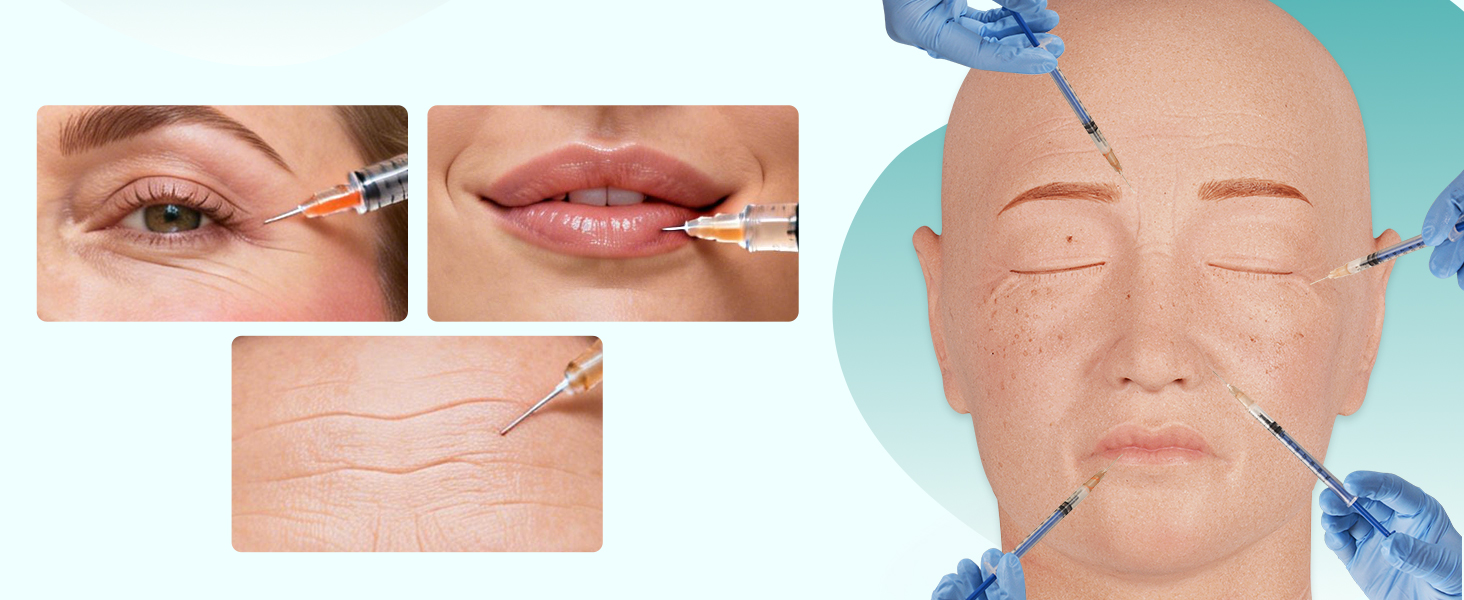
Botox injections in the forehead are primarily used to reduce horizontal lines and wrinkles. By relaxing the muscles in this area, the treatment helps soften wrinkles and make the forehead appear smoother. Injection points are typically located in the upper and middle forehead, targeting the frontalis muscles that lift the eyebrows.
2. Glabella
Vertical wrinkles often appear in the glabella (the area between the eyebrows). Even when the face is at rest, these lines can make the brows look tense, angry, or worried.
Botox injections in the glabella help the area appear more relaxed, calm, and serene. The treatment targets the muscles responsible for frowning, and injections are usually placed at several small points across the upper and middle glabella to ensure a natural and balanced result.
3. Crow’s Feet
Crow’s feet are the fine lines that appear at the outer corners of the eyes, usually forming when people smile, squint, or laugh repeatedly. Over time, these lines can become more noticeable, even when the face is relaxed, giving the eyes a slightly aged or tired appearance.
Botox injections are typically placed at several small points around the outer eye corners, targeting the orbicularis oculi muscle, which controls these expressions. Careful placement is important to ensure a natural-looking result while preserving normal eye movements.
4. Nose (Bunny Lines)
When you smile, laugh, or scrunch your nose, you may notice small wrinkles on either side of the nose, commonly known as “bunny lines.” Over time, these lines can become more pronounced.
If you want to soften these wrinkles, Botox can be injected to relax the muscles responsible for this area, reducing the appearance of lines and making the nose and surrounding area look more relaxed and refreshed.
5. Upper Lip (Lip Flip)
Over time, vertical lines may appear around the mouth as you talk, smile, or purse your lips. These wrinkles are caused by repeated muscle movements and natural aging.
Botox injections in this area help relax the muscles and soften the appearance of wrinkles. In some cases, Botox can also slightly lift the corners of the mouth or improve a gummy smile.
6. Chin
When the mentalis muscle in the chin is overactive, it can create a dimpling effect or “orange peel” texture, making the chin appear uneven or bumpy.
Botox can be injected into the overactive areas of the chin muscles to smooth out fine lines and improve the surface appearance.
7. Masseter
Enlarged masseter muscles can make the lower face appear wider or more square, which some people feel makes the face look harsher or less balanced. Botox injections in the masseter help soften the jawline and create smoother facial contours.
8. Neck (Platysma)
Horizontal lines often appear on the neck, especially after pregnancy or hormonal changes. These lines can be stubborn, and in some cases, may even be accompanied by pigmentation. With proper Botox injections, these concerns can be effectively addressed.
FAQs
1. Does Botox injection hurt? What does it feel like?
Most people feel only a slight sting or pressure when the needle enters the skin. Some areas may be more sensitive than others, but the discomfort usually lasts only a few seconds. To reduce any discomfort, the injector will often apply ice or a numbing cream before treatment. Staying relaxed and breathing slowly can also help you feel more comfortable during the procedure.
2. How long do the effects of Botox last?
The effects usually last 3–6 months, depending on your metabolism and how active your muscles are. To maintain smooth and consistent results, many people schedule follow-up treatments every 3–4 months.
3. Are there any precautions after injection?
After treatment, it’s best to avoid rubbing or massaging the treated areas, and to refrain from vigorous exercise or lying down for at least 24 hours. These precautions help ensure that the Botox stays in the intended muscles and works effectively.
4. When will I see the results?
Most people notice initial improvements within 3–7 days, with the full effects usually visible around two weeks after treatment. It’s normal for the muscles to relax gradually, so be patient during this period.
5. Can multiple areas be treated in one session?
Yes, Botox can be injected into multiple areas at the same time, such as the forehead, glabella (between the eyebrows), crow’s feet, chin, or neck. Your practitioner will recommend which areas to treat based on your goals and facial structure to achieve a balanced and natural-looking result.
6. What if I’m not satisfied with the results?
If you’re not completely happy with the results, talk to your practitioner. Sometimes minor touch-ups can be done a few weeks after treatment. Otherwise, Botox naturally wears off over time, and you can schedule your next session to adjust or maintain the results.
7. Can an esthetician do botox?
Botox should only be administered by licensed medical professionals, such as doctors, nurse practitioners, or registered nurses who have received specialized training. Estheticians typically cannot perform Botox injections legally, as it requires medical knowledge and certification.
Summary
Botox injections on the face have become increasingly common, and many people use them to address various facial concerns. If you are considering Botox treatment or specific injection areas to achieve your desired results, it is always best to consult with a qualified medical professional for personalized advice.
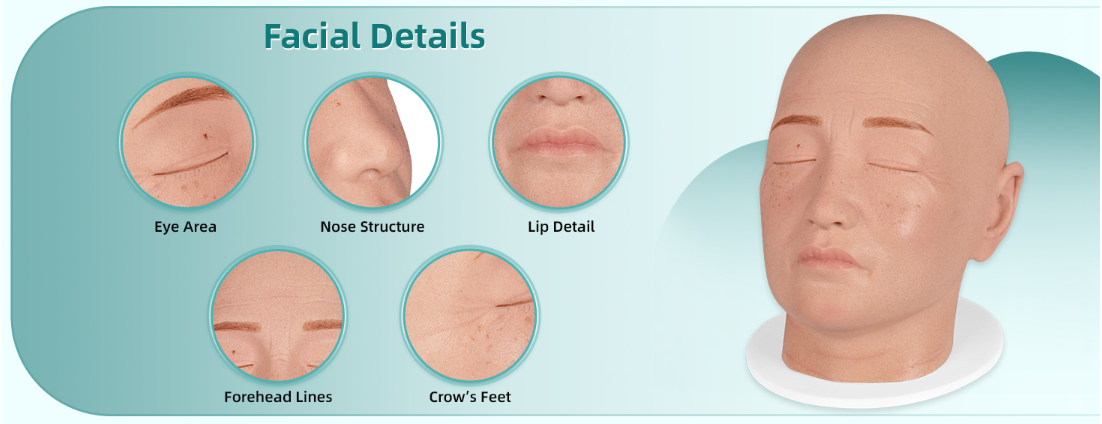
For those interested in learning or practicing Botox injections safely, facial injection mannequins can be a valuable training tool. They allow medical professionals and students to practice injection techniques, understand facial anatomy, and gain confidence before performing treatments on real patients.
🛒Explore Skillssist Facial Injection Mannequins & Training Models Now→