
A subcutaneous injection delivers medication into the layer of fat just beneath the skin. This layer sits between the skin and muscle, where blood flow is slower, allowing medications to be absorbed gradually and consistently over time.
This route of administration is commonly used for medications that do not require rapid systemic absorption, such as insulin and certain anticoagulants. Because absorption from subcutaneous tissue is predictable but slower, the choice of injection site can influence both comfort and consistency of medication delivery.
Compared with intramuscular injections, subq injections use shorter needles and are generally easier to perform. However, correct site selection is still important to avoid tissue irritation and to ensure proper absorption. This is why understanding subq injection sites is a key part of safe and effective practice.
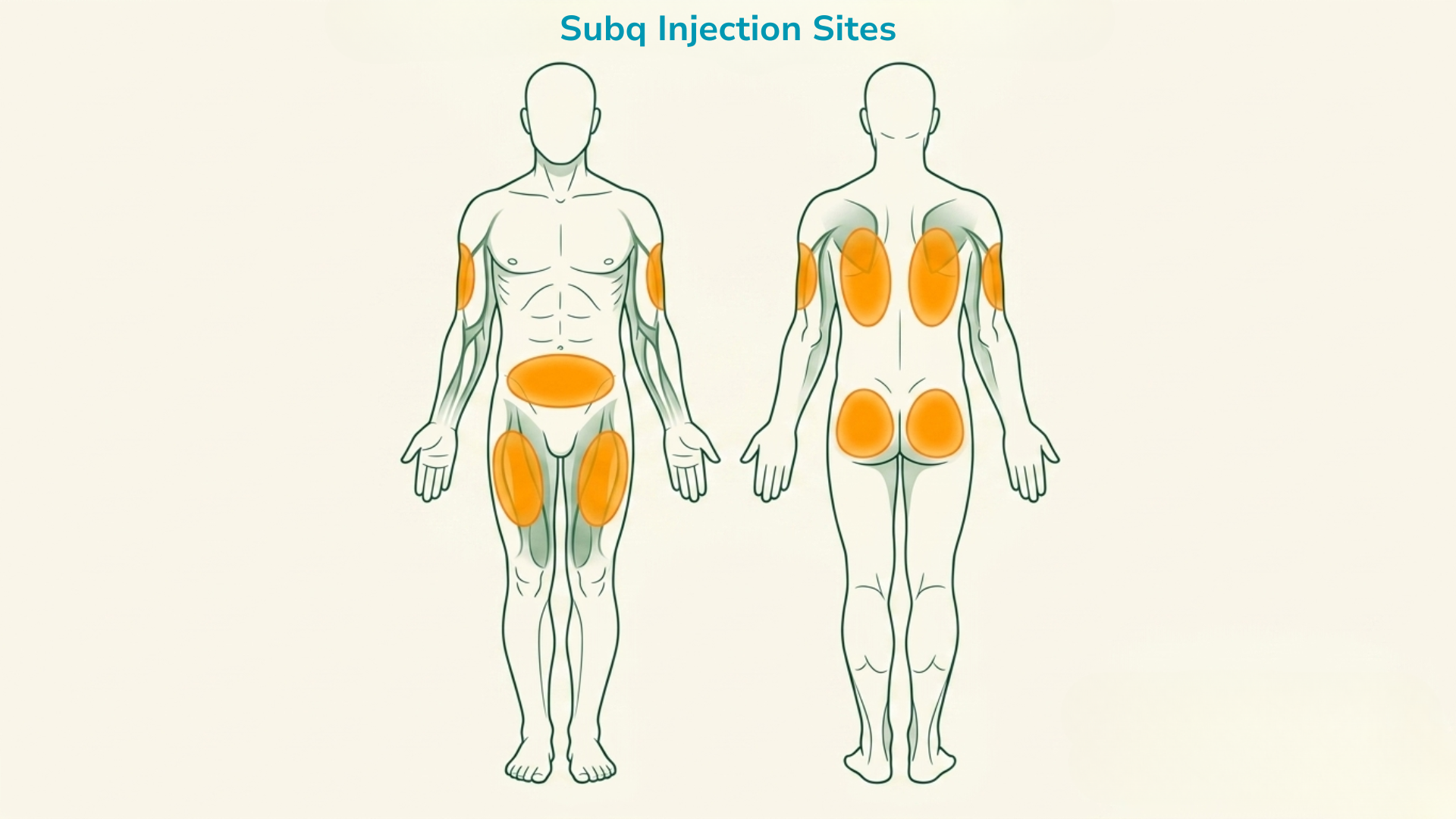
Common Subq Injection Sites (Where to Inject)
Subcutaneous injections can be administered in several standard areas of the body. Choosing the right site is important for comfort, consistent absorption, and safe administration. Below is a practical guide to each common site:
1. Abdomen
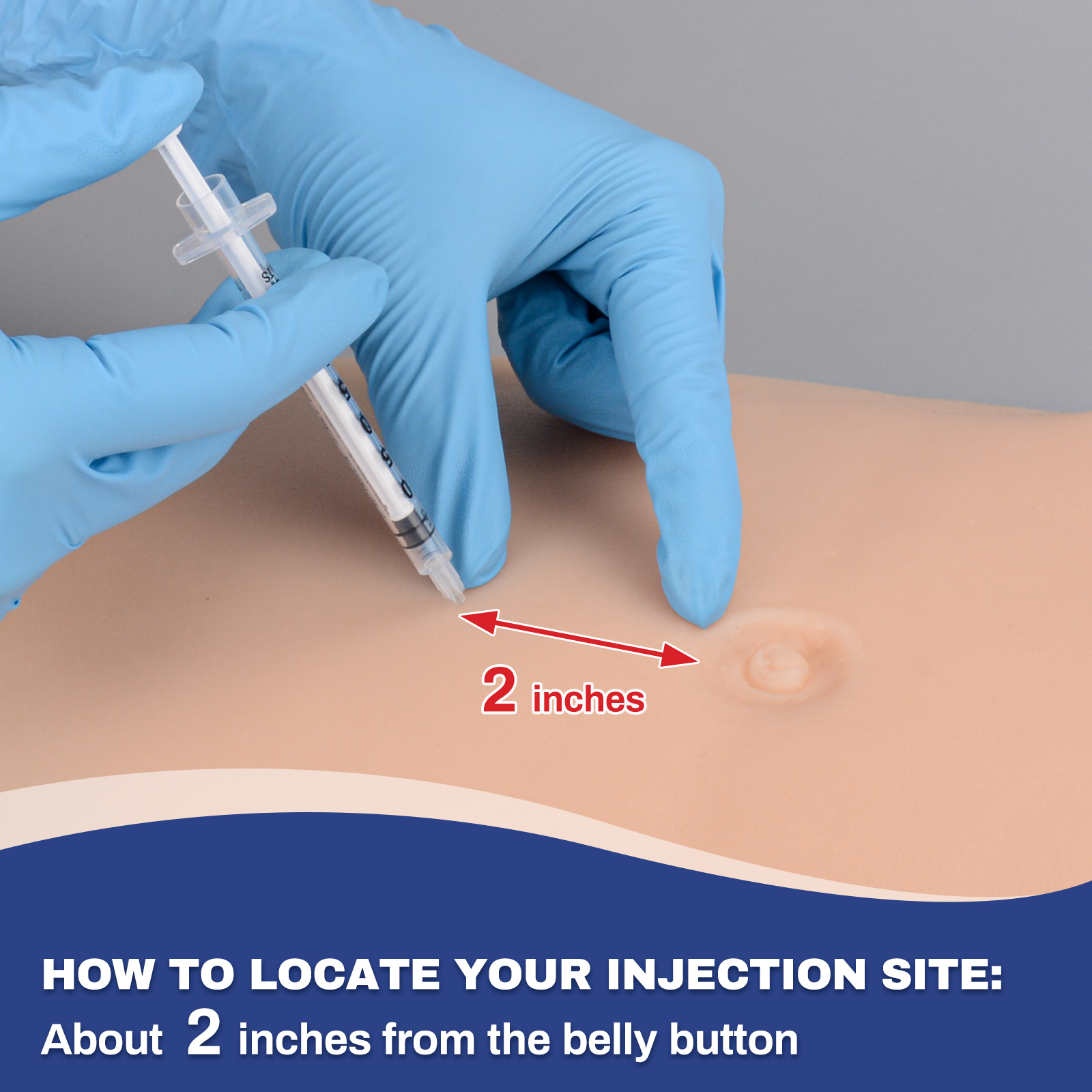
The abdomen is the most commonly used site for subcutaneous injections. To locate a safe spot, avoid a 2-inch (5 cm) circle around the navel and use the surrounding fatty tissue. This area offers a large surface for rotation, is easy for self-injection, and provides consistent medication absorption.
2. Upper outer arm
The back or outer side of the upper arm, between the shoulder and elbow, is another common site. Pinch the fatty tissue at the back or side to lift it from the muscle. This area is convenient for caregivers or clinical staff administering the injection, though it may be harder for self-injection due to limited visibility.
3. Thigh (front or outer side)
The upper portion of the thigh, from just below the hip to above the knee, is a reliable site for self-injection. Pinching the fatty tissue on the front or outer side helps avoid injecting into muscle. The thigh is easy to access, and rotating injection spots here can prevent tissue irritation or hardening.
4. Upper buttock or hip area
Upper buttock or hip areaThis site is less commonly used but still valid, especially when other areas need to be avoided due to repeated injections or skin issues.The fatty area above the gluteal muscles, near the hip, is less commonly used but still a safe option. Palpate to find soft tissue away from muscle, and avoid areas with scars or hardened tissue. This site is useful when other areas are overused or irritated, and it allows for rotation to maintain healthy tissue.
Site Rotation Principles & Techniques
Rotating injection sites is an essential part of subcutaneous injection practice. Repeatedly using the same spot can cause tissue hardening, lumps, or fat changes under the skin, which may affect how the medication is absorbed.
A simple rotation method is to divide each injection area—such as the abdomen, thighs, or arms—into sections and move systematically from one section to the next. For example, in the abdomen, you might start in the upper left quadrant, then move clockwise around the belly for each subsequent injection.
Keeping track of where you last injected can help avoid accidentally using the same spot too often. Some patients use a chart, notebook, or even a smartphone app to mark each injection location.
It is also important to rotate not just within a single site, but among different body areas if possible. For instance, alternating between the abdomen and thigh over days can reduce tissue stress and maintain consistent absorption.
By following these simple rotation principles, you can protect the tissue, reduce discomfort, and ensure that each injection delivers medication effectively.
Key Safety Considerations for Subcutaneous Injection
In addition to carefully selecting the appropriate subcutaneous injection site, it is equally important to follow key safety practices during the injection. Proper technique, hygiene, and needle handling all play a critical role in ensuring the medication is delivered effectively and safely.
1. Needle Angle and Depth:
The injection should generally be given at a 45° or 90° angle depending on the thickness of the fatty tissue and needle length. Pinching the skin can help lift the fat away from the muscle and prevent accidental intramuscular injection.
2. Proper Needle Selection:
Choosing the correct needle length and gauge is important. A needle that is too long may reach the muscle, while a needle that is too short might not reach the subcutaneous layer properly. Follow the medication guidelines or clinical instructions for appropriate needle size.
3. Hygiene and Skin Preparation:
Always wash your hands before injection and clean the site according to protocol. Using alcohol wipes or other disinfectants reduces the risk of infection. Avoid touching the needle or injection site after cleaning.
4. Avoiding Sensitive or Damaged Areas:
Do not inject into areas with scars, bruises, hardened tissue, or irritation. These areas can affect medication absorption and increase discomfort. Rotate sites regularly to prevent tissue damage.
5. Injection Technique:
Insert the needle smoothly and steadily. Inject medication slowly to minimize pain. After removing the needle, gently press the site with a clean cotton ball or gauze; avoid rubbing, which can irritate tissue.
6. Patient Comfort and Monitoring:
Ensure the patient is relaxed and the skin is not tense. Observe for signs of allergic reactions or local irritation. If the patient experiences unexpected pain, redness, or swelling, consult a healthcare professional.
Summary
Subcutaneous injections are a common and effective way to deliver medications such as insulin and anticoagulants. Proper selection and rotation of the subq injection site, along with safe injection techniques, help ensure consistent absorption and reduce the risk of tissue damage or discomfort. By following these principles, both healthcare providers and patients can perform subcutaneous injections safely and reliably.
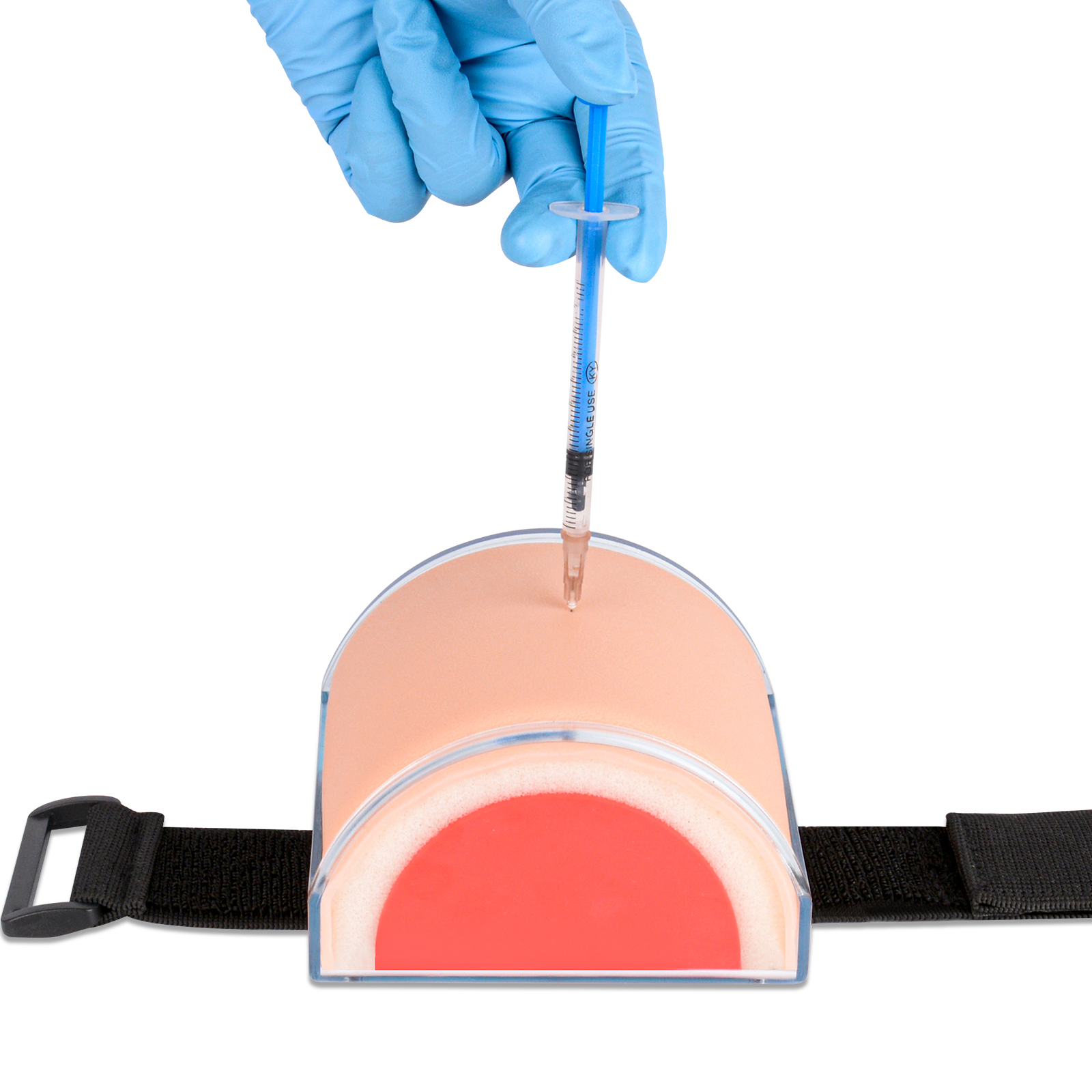
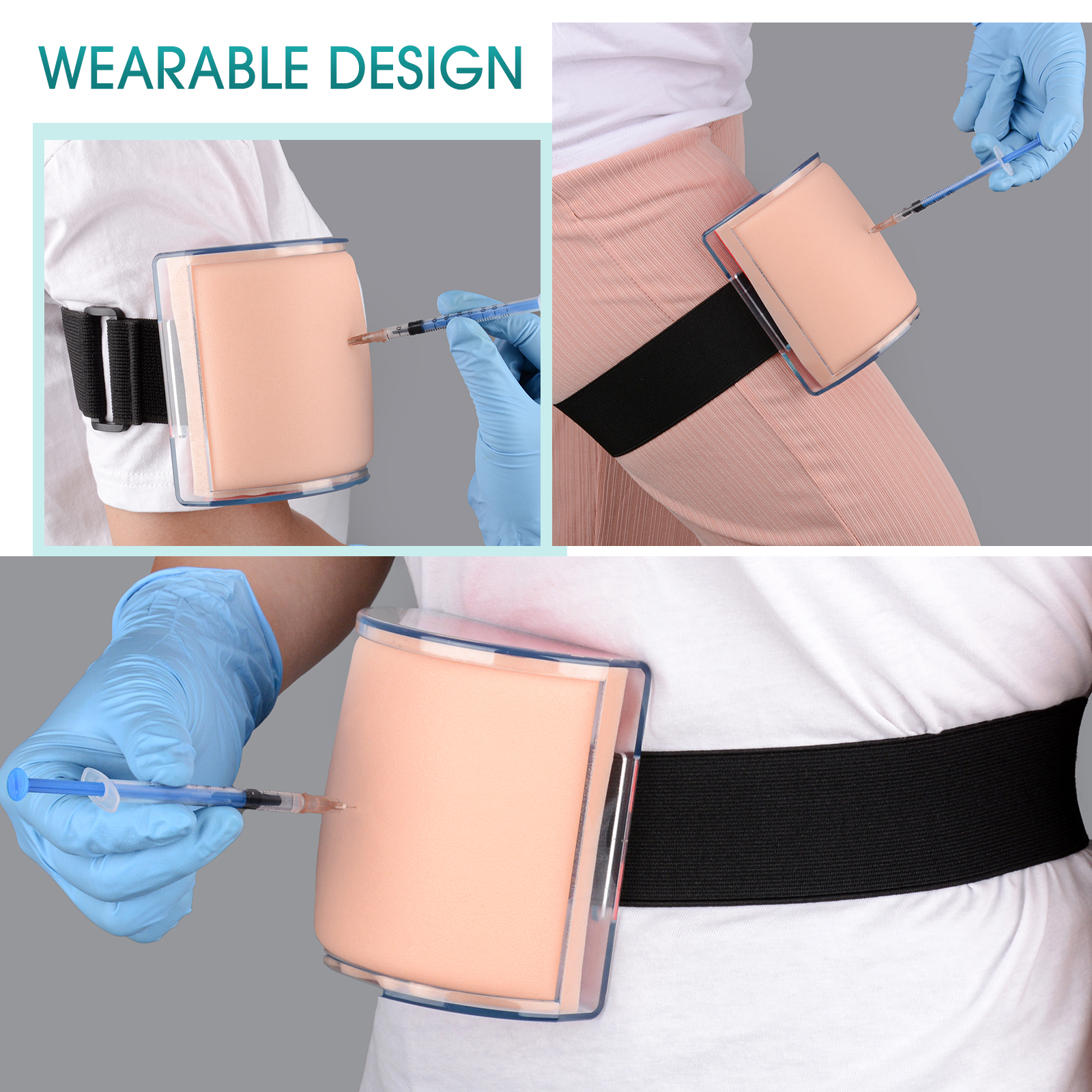
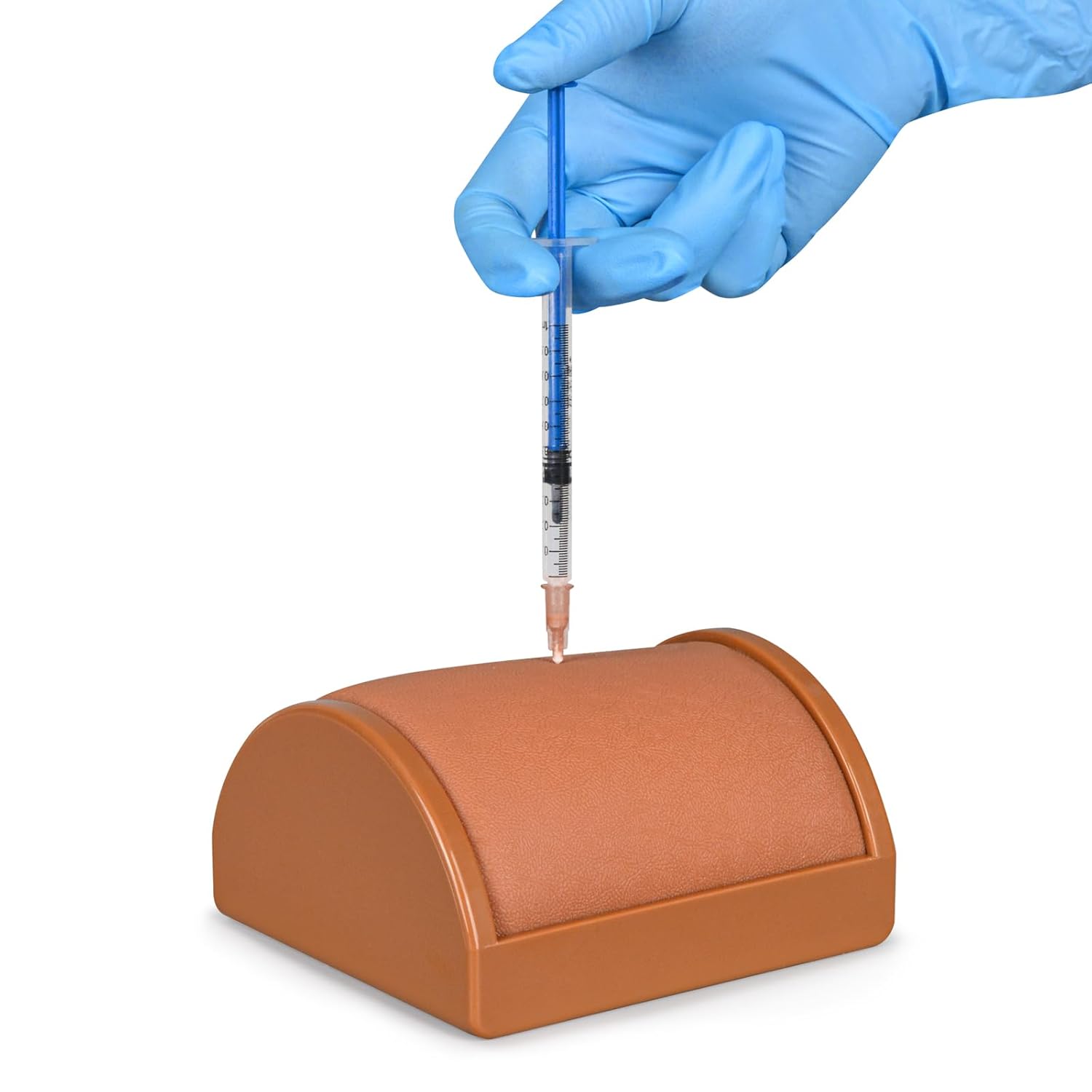
For learners and healthcare trainees, practicing injection technique in a controlled environment can help build confidence before working with real patients. Using a subcutaneous injection training pad allows users to repeatedly practice selecting subq injection sites, mastering injection angles, and improving overall technique in a safe and realistic way.
🛒Explore More Injection Practice Kits